


At home golf practice works best when the gear matches the drill, not the other way around. You want tools that fit a spare room, garage bay, patio, or mat setup without turning setup into a chore. The right mix can sharpen alignment, grip, tempo, and contact, which makes short sessions more useful between range visits.
That is where this roundup helps. You’ll see compact trainers, alignment systems, swing-feedback tools, and mat-based options, so you can choose a setup that suits your space and your habits. Some picks lean simple, others bundle more guidance, and that difference matters once practice becomes part of your week.
Quick Look At The Shortlist

Tour Aim 2.0 Golf Training Aid 11-in-1 Alignment Sticks

HRUIYL Golf Alignment Sticks Holder with 3 Alignment Sticks

Goose Golf Golf Grip Trainer for Correct Hand Positioning

sysdmno Golf Swing Trainer Grip & Tempo Trainer with Click Stick
sysdmno Pop-Feedback Retractable Golf Swing Trainer
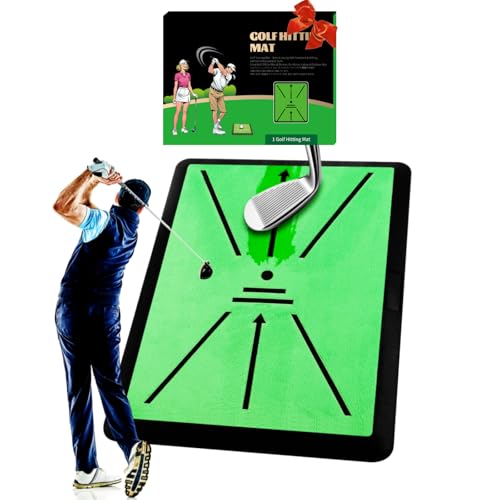
sysdmno Golf Hitting Mat 16'x12' Swing Practice Mat
HRUIYL Retractable Golf Swing Trainer and Grip Trainer

SuperStroke Golf Alignment Sticks 45-Inch Fiberglass Rods
OAESIRT Adjustable Golf Trainer Ball with Storage Bag
More Details On Our Top Picks
Tour Aim keeps a garage-session setup from feeling cluttered, because it combines three alignment sticks with a precision angle plate in one compact system. That matters for home practice, where the last thing you want is a pile of separate tools taking over the floor.
Golfers who work on aim, ball position, plane, and putting start line in the same space will get the most from it. The honest read is that it rewards steady fundamentals more than flashy swing ideas, which suits anyone who wants routine practice without fuss.
Strong Points
- Three sticks and the angle plate cover several drills without extra gear.
- The compact format fits a net corner, mat lane, or spare section of driveway.
- Helpful for building repeatable setup habits, which carry over to real rounds.
- Premium tutorials add structure for golfers who like guided practice.
- It replaces a stack of separate aids, so storage stays simpler.
Things To Consider
- It still depends on you repeating the drills, so progress comes from consistency.
- The broader training system may feel more than you need for only one skill.
- Storage is easy, yet the small parts deserve a dedicated spot so they do not get misplaced.
Core Details
Who It Suits Best
Golfers who want one compact setup for several fundamentals will get the most value here.
Where A Sibling Pick Shines
SuperStroke Golf Alignment Sticks 45-Inch Fiberglass Rods suit golfers who mainly want longer, simpler alignment rods rather than a bundled practice system.
The metal base gives this trainer a more planted feel than the lighter all-in-one style of Tour Aim. That difference matters in a home bay or garage bay, where a steadier base can make stance and plane work feel less fussy.
You’ll likely appreciate it most for swing-path and posture drills, especially when you want the sticks held in a fixed position instead of floating around a mat. A small caution: the sturdier build is welcome, but it also means this is less of a toss-in-a-bag option.
What We Like
- Heavy metal base helps anchor the setup during practice.
- Three alignment sticks support repeatable plane and posture drills.
- Works well in a fixed home station where stability matters.
- Adjustable format gives you room to change drill angles.
Worth Noting
- Heavier hardware is less convenient for frequent transport.
- Metal parts usually deserve a little care after storage in damp spaces.
- It is more focused on structured drill work than casual warmup swings.
Feature Snapshot
Built With In Mind
Golfers who practice from a fixed indoor station and want a steadier alignment aid will fit this one well.
Another Choice May Suit
Tour Aim 2.0 Golf Training Aid suits golfers who want more drills in one lighter system and plan to move it around often.
Grip work is the quiet foundation of a lot of home practice, and this trainer keeps the focus there instead of adding noise. It’s a simple tool, which is useful in a living room or garage session where you want to rehearse hand placement without turning it into a full swing project.
Because it fits standard and midsize grips, it makes sense for golfers using a typical club setup at home. Compared with the alignment-heavy tools above, this one solves a narrower problem, but it solves that problem directly.
Best Bits
- Designed to reinforce hand placement before bad habits settle in.
- Fits all golf clubs, so you can keep the same cue across the set.
- Small enough for quick practice between errands or after work.
- Useful for building a steadier starting point before you add swing speed.
Small Caveats
- It focuses on grip only, so it will not cover posture or plane work.
- The medium size may feel snug on some oversized grip setups.
- Like most compact trainers, it rewards short, frequent sessions more than rare long ones.
Details At A Glance
Right Fit For
Beginners and returning golfers who want a simple grip check at home will get the most from it.
Swap It Out When
Tour Aim 2.0 Golf Training Aid makes more sense for golfers who want a broader drill set that reaches beyond hand position.
The click cue is the whole story here, and that makes the trainer more specific than the grip-only Goose Golf tool. For home warmups, a sharp feedback point can help you notice timing instead of guessing at it, especially before you head to the range.
The source notes a click at an optimal 40 mph, which frames it as a tempo and wrist-release aid rather than a strength gadget. That narrow focus is helpful for golfers who like direct feedback, though you may find it a little specialized if your main need is alignment rather than release timing.
Upsides
- Click feedback gives you a clear cue during the swing.
- Built for warmups, rhythm work, and speed-focused drills.
- Portable shape suits indoor practice or a quick outdoor session.
- Useful for golfers who want timing feedback instead of visual alignment lines.
Areas To Watch
- The feedback style is specific, so it may not suit every drill plan.
- Tempo tools need regular repetition to feel natural.
- Some golfers will still want an alignment aid alongside it.
Technical Sheet
The Right Fit
Golfers who want direct tempo feedback during warmups or short practice blocks will get the most from this one.
Look Elsewhere When
HRUIYL Golf Alignment Sticks Holder with 3 Alignment Sticks suits golfers who care more about fixed plane and posture setup than timing cues.
This retractable trainer takes a simpler route than the click-stick model above, and that can make it easier to slot into a daily warmup habit. The pop-feedback design gives you a repeated cue at the top of the swing, which suits golfers who want a clear rhythm marker without extra moving pieces.
It is built for right-handed golfers, so the fit is straightforward rather than universal. For indoor practice rooms and garage setups, the auto-retracting action keeps rep after rep moving smoothly, though the right-handed-only design is the obvious trade-off.
Highlights
- Retractable design supports repeated tempo practice.
- Pop feedback gives you a repeatable timing cue.
- Works well for indoor or outdoor warmups.
- Simple enough for steady daily use without a lot of setup.
Points To Note
- Right-handed golfers only, so it is not a universal fit.
- Retractable parts deserve careful storage to keep the action smooth.
- It leans toward rhythm work, not alignment or posture training.
Quick Facts
Whose Shelf It Belongs On
Right-handed golfers who like compact tempo drills and simple repetition will feel at home with this pick.
A Better Fit Elsewhere
SuperStroke Golf Alignment Sticks 45-Inch Fiberglass Rods suit golfers who want a longer visual setup aid rather than a timing-focused trainer.
A hitting mat changes the whole feel of home golf practice, because you’re working from a real contact surface instead of dry-swinging in place. This 16-by-12-inch format is small enough for a controlled corner setup, yet still large enough to show where the club meets the turf.
The surface changes color on contact, which gives you immediate visual feedback after each strike. Compared with the alignment tools earlier in the list, this one helps you see contact quality more directly, though the smaller footprint means you’ll want to keep your strike zone tidy.
Reasons To Buy
- Visual strike marks help you spot slices, hooks, and off-center contact.
- Rubber base adds stability during repeated swings.
- Premium turf is built for repeated use in a home practice area.
- Works well for beginners who want immediate feedback and for seasoned golfers refining contact.
Softer Spots
- The smaller mat size may feel tight for larger stance drills.
- Repeated use means you’ll want to brush off debris so the turf stays readable.
- It teaches contact well, but it does not replace alignment or tempo tools.
Spec Overview
Made For
Golfers who want a compact strike-feedback surface for indoor or sheltered home practice will get the most out of it.
Skip It When
Tour Aim 2.0 Golf Training Aid is the better match for golfers who want a broader drill system rather than a contact-only surface.
This HRUIYL option sits close to the earlier pop-feedback trainer, but it broadens the use case a little by framing itself as both a swing and grip aid. That makes it easier to drop into a home warmup routine, especially for golfers who want one compact tool to cover more than a single drill.
Its focus on tempo and repeatable mechanics makes sense for chipping, hitting, and general rehearsal work. One thing worth considering is that the broader label doesn’t change the fact that this is still a compact trainer, so it suits short sessions better than full practice marathons.
Bright Spots
- Covers warmup work, grip cues, and tempo practice in one compact format.
- Retractable design makes repetition feel straightforward.
- Useful for golfers who want a low-friction tool by the door or in the garage.
- Works across several short practice styles, from chipping to full swings.
Minor Gripes
- Compact trainers like this need regular use to feel natural.
- It still leans more toward mechanics than full shot-shaping work.
- Storage is easy, but you’ll want to avoid rough handling of the retractable section.
Feature Card
The Right Fit
Golfers who want a compact warmup tool that can also support grip and rhythm drills will feel comfortable with this one.
Reach For A Different Pick When
Goose Golf Golf Grip Trainer fits better for golfers who want a more dedicated hand-position aid instead of a broader swing trainer.
Long fiberglass rods are the simplest sort of home golf aid, and that simplicity is their strength. At 45 inches, these sticks give you extended reference lines for posture, target line, and shot setup, which helps in a driveway station or beside a hitting mat.
Compared with Tour Aim’s bundled system, this set is stripped down and easier to store, but it also means you’ll build your own drill routine. For golfers who like clear visual guides and very little clutter, that trade-off feels fair.
Positives
- 45-inch length gives you a long, easy-to-read reference line.
- Fiberglass construction tends to feel lighter than bulkier training pieces.
- Useful for posture, aim, and shot accuracy drills at home.
- Set of two keeps the layout flexible for different drill angles.
Trade Offs
- There’s no built-in feedback, so you must know the drill you want to run.
- Long rods need a storage spot where they won’t get bent or knocked around.
- They solve alignment well, but not grip or contact on their own.
Core Details
Who Will Love This
Golfers who want a plain, long visual aid for setup and alignment will appreciate how direct it is.
Where Shoppers Go Wrong
OAESIRT Adjustable Golf Trainer Ball suits golfers who want more body connection feedback and a softer entry point for home practice.
This trainer ball is aimed at golfers who want connection work without hauling a bigger setup into the house. The portable shape and storage bag make it easy to keep close at hand, which matters for beginners who practice in short bursts before or after work.
It leans into impact and connection, so it fits well in a living room, basement corner, or small indoor station. Compared with the rod-based SuperStroke set, this pick is less about visual alignment and more about feeling how the body and club work together.
Standout Traits
- Portable format suits small home practice areas.
- Helpful for beginners who want a simpler entry into swing rhythm work.
- Storage bag makes it easier to keep the tool together with the rest of your practice gear.
- Focuses on connection and impact awareness, which can be useful before full swings.
Honest Caveats
- It is narrower in scope than alignment or full-swing systems.
- Connection aids work best when paired with consistent repetition.
- The adjustable format is useful, but you still need enough space to move comfortably.
Feature Rundown
Perfect Match For
Beginners and space-conscious golfers who want a simple indoor trainer with low storage fuss will like this one.
A Better Fit Elsewhere
Tour Aim 2.0 Golf Training Aid is a stronger match for golfers who want a broader all-in-one drill system instead of a single connection tool.
How To Choose The Right At Home Golf Training Aids
Match The Tool To The Skill You Want To Change
Grip trainers and alignment sticks solve different problems, so the first decision is skill focus. A hand-position aid helps you set the club the same way every time, while an alignment system helps you aim, plane, and line up the ball more consistently.
Tempo tools sit in a different lane again, because they shape rhythm and release timing rather than setup. That’s why a golfer working on posture at the start of the swing may want sticks or a holder, while someone fighting rushed transitions may get more from a click or retractable trainer.
Size, Storage, And Setup Matter More At Home
Home practice lives or dies by convenience. Long rods, compact trainers, and mats all ask for different amounts of floor space, and the right fit depends on where you keep the gear, not just what it teaches.
A garage station can handle a heavier base and a mat with a rubber bottom, while a hallway or spare room usually favors lighter pieces that pack away fast. The smoother the setup, the more likely you are to use it often.
Feedback Style Changes The Way You Learn
Some aids give visual feedback, such as a line on the ground or a color mark on a mat. Others use sound or movement, which can feel more immediate during a short practice block.
Visual tools suit golfers who like to see their positions, while tactile or audio cues help when you want to feel timing in the swing. Choose the style that matches how you naturally learn, because a tool that fits your habits is the one that tends to stick.
Build Quality Should Match Your Routine
A simple fiberglass rod can be enough for occasional work, but frequent practice tends to favor sturdier materials, tighter joints, or a more stable base. That matters in a home setting where gear gets moved, stored, and set up again week after week.
Think about maintenance too. Mats need brushing, metal pieces appreciate dry storage, and retractable trainers should be handled with a little care so the moving parts stay smooth.
Things Worth Knowing First
Common Shopping Slip Ups
Plenty of golfers pick a trainer that looks useful but doesn’t match the drill they actually need. A tempo aid won’t fix alignment, and an alignment stick won’t teach grip pressure.
Another common miss is underestimating space. Long rods and hitting mats work well only when you have enough room to lay them out and move without clipping furniture or walls.
What The Higher Tier Buys
More expensive options usually bring better materials, steadier construction, or a broader drill system. In this category, that can mean a metal base, a more detailed feedback design, or a bundle that replaces several separate tools.
The upgrade is worth it for golfers who practice often and want fewer compromises. A simpler pick still makes sense for occasional warmups, especially when you only need one job done well.
Frequently Asked Questions
Are at-home golf training aids useful for beginners?
Yes, because they help narrow the focus to one habit at a time. Grip, alignment, tempo, and contact each become easier to work on in short sessions.
What kind of aid helps most with alignment?
Alignment sticks and stick holders are the most direct choices for setup work. They give you a clear line for your stance, target, and club path.
Do tempo trainers help with full swings?
They can, especially when your swing gets rushed or uneven. Their main job is to give you a repeatable timing cue, not to replace every other drill.
Is a mat better than alignment rods for home practice?
They do different jobs, so neither replaces the other. A mat helps with strike feedback, while rods help with aim and posture.
What should you store carefully after practice?
Long rods, retractable trainers, and metal-base tools all benefit from tidy storage. Keeping them dry and in one place helps them stay ready for the next session.
Closing Thoughts
The best at home golf training aids are the ones that fit your space, your routine, and the exact part of the swing you want to improve. A compact alignment system works for one golfer, a tempo trainer works for another, and a contact mat may be the missing piece for someone building a garage setup. The good news is that you do not need a crowded pile of gear to make practice useful. Start with the job that matters most, then build from there at your own pace.


