Choosing a 36 volt golf cart charger gets a lot easier once you match the plug, cart brand, and charging speed to your routine. A weekday golfer, a campground regular, or someone keeping a cart ready for neighborhood errands needs different things from the same category. Some chargers are built for straightforward replacement use, while others add longer cords, wider compatibility, or waterproof housing for outdoor storage. The right fit saves you from mismatched plugs and awkward charging setups.
Quick Look At The Shortlist

EPOWREY 18 Amp 36 Volt Golf Cart Charger for EZGO TXT

FORM 36 Volt Golf Cart Charger for Club Car, EZGO, Yamaha
KEYHAO 36 Volt Charger for Golf Cart Battery Charger
Flngr 12 Amp 36 Volt Golf Cart Battery Charger

Aorika Club Car Charger 36V 18A/48V 13A
YHCHKJ Golf Cart Battery Charger 36V 18A and 48V 13A
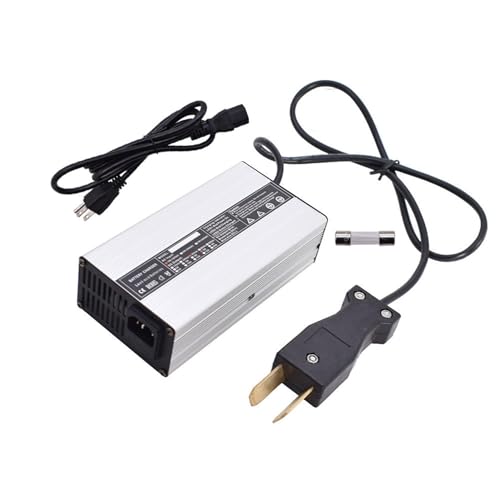
WFLNHB 36 Volt 5A Golf Cart Battery Charger

EPOWREY 18 Amp 36 Volt Golf Carts Charger for EZGO, Yamaha

CAPTOK 36V 20AMP Golf Cart Waterproof Battery Charger
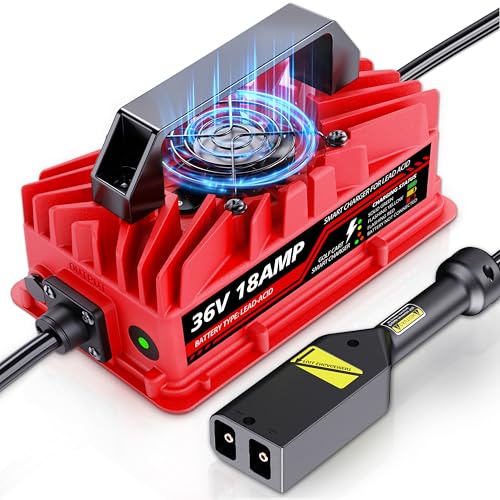
Akizbeir 18 Amp 36 Volt Golf Cart Battery Charger
More Details On Our Top Picks
This EPOWREY unit keeps the decision simple for EZGO TXT owners who want a direct replacement with a D-style plug. The 18 amp output leans toward quicker turnaround than slower maintenance-style chargers, so it fits carts that get used often around a course or property.
The honest trade-off is that this sort of cart-specific charger leaves less room for cross-brand flexibility. For a garage with one EZGO TXT, that narrow focus is a strength, not a flaw.
Strong Points
- 18 amp output suits regular charging routines without feeling sluggish.
- D-style plug keeps the fit focused on EZGO TXT setups.
- Simple cart-specific design reduces guesswork at the outlet.
- Works well for carts that return to charge after frequent use.
Points To Note
- Compatibility stays narrow, so it is not the flexible pick for mixed-cart garages.
- The direct replacement approach gives you less wiggle room than multi-brand models.
Feature Snapshot
Who It Suits Best
EZGO TXT owners who want a direct-fit charger for routine use will get the most from this model.
A Better Fit Elsewhere
FORM 36 Volt Golf Cart Charger for Club Car, EZGO, Yamaha suits you better when your garage includes more than one cart brand.
Multi-brand households tend to gravitate toward this FORM charger because it reaches Club Car, EZGO, and Yamaha carts with a crowfoot plug. That wider fit matters in a shared garage, especially where the cart lineup changes or more than one person handles charging.
Compared with the EPOWREY EZGO-only pick, this one gives you more breathing room on compatibility. The trade-off is that a broader fit usually means you spend a little more time confirming the plug and battery type before plugging in.
What We Like
- Works across three major cart brands, which helps in mixed fleets.
- Crowfoot plug gives it a familiar fit for many 36 volt setups.
- 18 amp output suits regular use and keeps charging pace sensible.
- Good choice for garages where more than one cart needs attention.
Room For Improvement
- The broad compatibility still depends on the right plug match at the cart.
- Lead-acid focus leaves out shoppers who need other battery chemistries.
Quick Facts
Made For
You get the most value from this charger in a multi-cart garage where one cord needs to cover several brands.
Swap It Out When
EPOWREY 18 Amp 36 Volt Golf Cart Charger for EZGO TXT fits better for EZGO-only owners who want a tighter brand match.
KEYHAO keeps things focused on the essentials, which is handy for a cart owner who just wants a straightforward 36 volt replacement with a D-style plug. It feels like the kind of charger you choose for simple garage duty, not for extra bells and whistles.
Compared with FORM’s broader brand coverage, this one is the more straightforward fit for a cart that already uses the same style connection. The honest read is that narrow focus can be a plus, especially when you prefer fewer decision points.
Best Bits
- D-style plug keeps the setup path familiar for compatible carts.
- Plain replacement role suits owners who want no extra complexity.
- Works neatly for daily charging in a home garage or shed.
- The simpler profile is easy to understand at a glance.
Softer Spots
- Compatibility remains tied to the right cart and plug style.
- You do not get the broader flexibility seen in multi-brand options.
Core Details
Best Suited To
You will like this most if your cart already uses the same D-style connection and you want a plain replacement path.
Look Elsewhere When
FORM 36 Volt Golf Cart Charger for Club Car, EZGO, Yamaha makes more sense for garages that need one charger for several brands.
Flngr takes a gentler 12 amp approach, which suits carts that spend more time parked than running back-to-back rounds. The trickle-charge style is useful in a garage where you want a steadier pace rather than a more forceful charge cycle.
Compared with the 18 amp picks above, this one feels more relaxed and a bit less urgent. That makes it a sensible fit for owners who charge overnight or prefer a calmer routine around lead-acid batteries.
Highlights
- 12 amp output suits slower, more measured charging.
- Trickle-charge approach works well for routine maintenance use.
- Fits Yamaha, EZGO, and Club Car setups mentioned in the listing.
- Good match for carts that sit between outings for longer stretches.
Minor Gripes
- Slower output will feel less urgent than the 18 amp and 20 amp models.
- Lead-acid focus means it is not the broadest chemistry option here.
At A Glance
Who Should Grab It
You fit this charger best when your cart stays parked for stretches and a slower routine suits your schedule.
Where A Sibling Pick Shines
CAPTOK 36V 20AMP Golf Cart Waterproof Battery Charger suits you better when you want a faster, heavier-duty pace.
The Aorika unit stands out because it handles both 36 volt and 48 volt carts, which is useful in a garage where Club Car equipment shares space with another voltage class. The large screen adds a clearer at-a-glance readout, so you are not guessing about charge status during a busy morning.
That flexibility comes with a simple trade-off, though, because dual-voltage gear usually asks for a bit more attention up front. Compared with the single-voltage picks above, this one rewards owners who want a more adaptable charger and do not mind the extra decision layer.
Upsides
- Supports both 36 volt and 48 volt use in one charger.
- Large screen helps you check status without leaning in close.
- Useful for Club Car setups that share space with other carts.
- Works with several battery types listed by the seller.
Areas To Watch
- Dual-voltage convenience means you need to match the right mode to the cart.
- More features can mean more to think about during setup.
Details At A Glance
The Right Fit
You should look at this charger first if your garage mixes Club Car carts with different battery setups and you want one more flexible unit.
Another Choice May Suit
WFLNHB 36 Volt 5A Golf Cart Battery Charger fits better for a simple low-output replacement on a single cart.
YHCHKJ tries to cover a lot of ground, and that is the point, because it supports 36 volt and 48 volt carts while also speaking to several battery chemistries in the listing. In a mixed-use garage, that kind of coverage is handy when the cart lineup changes over time or more than one battery format lives under the same roof.
The trickle-charger angle gives it a more measured personality than the heavier-output CAPTOK model. The trade-off is that the broader feature set asks you to keep an eye on compatibility details before you settle in.
Bright Spots
- Dual-voltage design offers real flexibility in a multi-cart space.
- Trickle-charger behavior suits carts that charge between outings.
- Supports several battery types named by the seller.
- Works well for EZGO TXT setups that need a broader charger role.
Worth Noting
- The extra flexibility makes the setup a bit more detail-oriented.
- You will want to match the plug and battery type carefully.
Feature Rundown
Whose Shelf It Belongs On
You get the most from this charger in a garage with more than one cart type or battery format.
Reach For A Different Pick When
EPOWREY 18 Amp 36 Volt Golf Cart Charger for EZGO TXT is the cleaner choice for owners who only need a single-brand replacement.
The WFLNHB unit is the slow-and-steady option in this group, and that low 5 amp output is the whole story. It makes sense for carts that sit for long periods and do not need a fast turnaround between rides, especially in a storage bay or a seasonal setup.
Compared with the 12 amp Flngr and the 18 amp models above, this one is clearly about patience instead of pace. That slower profile can be helpful, though it also means you will not reach for it when quick reuse is the priority.
Reasons To Buy
- 5 amp output suits gentle, unhurried charging routines.
- Works as a replacement charger for several common cart names.
- Good fit for carts stored for longer stretches between outings.
- Small charging footprint keeps the setup simple in tight spaces.
Small Caveats
- The low output is not ideal for fast turnaround needs.
- It makes the most sense only for owners who value slower charging.
Spec Overview
Built With In Mind
You should look here if your cart spends much of the season parked and you prefer a gentler charging pace.
Where Shoppers Go Wrong
CAPTOK 36V 20AMP Golf Cart Waterproof Battery Charger is the better fit for anyone who needs faster turnaround and heavier use.
This EPOWREY model is easier to live with in a driveway or outdoor parking spot because the 16 foot cable gives you noticeably more reach. The fan design helps move heat away from the charger body, which is useful during longer charging sessions or warmer garage conditions.
Compared with the earlier EPOWREY TXT-specific pick, this one is the more relaxed choice for EZGO and Yamaha owners who need cable length and cooling details more than a narrow brand fit. The trade-off is that extra reach is only useful when your storage space truly needs it.
Plus Points
- 16 foot cable gives you room to charge without parking right beside the outlet.
- Fan-assisted design helps support better airflow around the charger body.
- Crowfoot plug covers EZGO and Yamaha use cases in the listing.
- 18 amp output keeps the charger firmly in the practical middle ground.
Areas To Watch
- The longer cable is useful only in spaces that need the reach.
- You still need the correct plug and battery match for your cart.
Feature Card
Perfect Match For
You will appreciate this charger most in a driveway, carport, or shed where outlet placement is awkward.
Skip It When
EPOWREY 18 Amp 36 Volt Golf Cart Charger for EZGO TXT is a tighter fit for owners who want a simpler one-cart setup.
The CAPTOK charger is the most forceful option in this lineup because 20 amp output gives it a stronger charging pace than the 18 amp and 12 amp models. Waterproof housing also makes it easier to think about outdoor storage, damp garages, or carts that live near the edge of weather exposure.
That extra toughness has a clear audience, namely people who use a cart frequently and want a charger that feels more prepared for rougher storage conditions. The trade-off is simple, because higher output and heavier construction are usually more charger than a lightly used cart needs.
Best Bits
- 20 amp output gives it a strong charging pace for frequent use.
- Waterproof build suits outdoor storage and damp work areas.
- Crowfoot plug supports the common 36 volt cart connection named in the listing.
- Good fit for carts that need quicker readiness after long rides.
Honest Caveats
- The stronger output is more than some lightly used carts need.
- Waterproof housing helps, but you still need sensible storage and care.
Technical Sheet
The Upgrade Payoff
You should consider this model when the cart gets used often and sits in a less sheltered storage spot.
Where Shoppers Go Wrong
WFLNHB 36 Volt 5A Golf Cart Battery Charger fits better when slower, lighter-duty charging is all you need.
Akizbeir lands in a useful middle lane for EZGO TXT owners who want 18 amp output without moving all the way to the heavier-output picks. The IP67 rating signals dust-tight and immersion-resistant construction, which makes the charger feel better suited to damp garages, wet floors, or carts stored near the weather.
Compared with the CAPTOK charger, this one sounds a little more focused on everyday practicality than raw output. That balance is appealing for owners who want water resistance and a direct D-style plug without going too far up the power ladder.
What We Like
- 18 amp output stays in a practical everyday range.
- IP67 build brings stronger protection for damp or dusty storage areas.
- D-style plug keeps the fit aligned with EZGO TXT setups.
- Smart charger design suits owners who want a straightforward replacement path.
Room For Improvement
- Its stronger protection does not change the need for the correct cart match.
- One-cart focus makes it less flexible than multi-brand options.
Feature Snapshot
Who Will Love This
You will appreciate this most if you want a sturdy EZGO TXT charger for a damp garage or outdoor parking spot.
Hidden Buying Traps
FORM 36 Volt Golf Cart Charger for Club Car, EZGO, Yamaha is the smarter route for households that need wider brand coverage.
How To Choose The Right 36 Volt Golf Cart Chargers
Start With Plug Type And Cart Brand
The plug matters just as much as the voltage label, because a crowfoot, D-style, or 3 pin round connector points you toward different carts. EZGO TXT owners usually want a tighter match, while Club Car and Yamaha setups often benefit from more flexible coverage.
That detail saves you from the annoying mismatch that shows up only after the charger arrives. It also helps you compare a direct replacement like EPOWREY against broader picks such as FORM or Aorika.
Choose Output Based On How You Use The Cart
Higher amp output means a stronger charging pace, which helps in busy garages where the cart returns to service often. A 20 amp unit suits heavier use, 18 amp sits in the practical middle, and 5 amp or 12 amp models feel more relaxed for long parking gaps.
The trade-off is easy to see, because more output usually means less patience needed, while slower chargers can be gentler for storage routines. Your routine should drive the choice more than the label does.
Match Battery Chemistry Before You Commit
Lead-acid is still common, but some listings also mention AGM, Gel, SLA, LiFePO4, or lithium support. Those terms describe different battery constructions, and the charger has to align with what sits inside your cart.
That is where Aorika and YHCHKJ separate themselves from simpler replacement chargers. Broader chemistry support helps in mixed garages, while single-chemistry models keep things more straightforward for one-cart households.
Think About Storage, Cord Reach, And Weather
Cable length matters more than many shoppers expect, especially when the outlet sits far from the cart or the cart lives in a carport. Water resistance, fan cooling, and sturdy housing also matter for outdoor parking or damp storage spaces.
These are practical comfort features, not vanity extras. A longer cord or weather-ready body can make the difference between a charger that feels easy to live with and one that always needs a workaround.
Things Worth Knowing First
Wrong Turns To Avoid
One common mistake is choosing by amp output alone and ignoring the plug style. Another is assuming every 36 volt charger works with every cart, which is how people end up with a connector that looks close but does not seat properly.
Battery type can trip you up too, especially with lead-acid versus lithium-family labels. Matching the cart first, then the battery, then the charging pace keeps the process cleaner.
The Upgrade Payoff
Higher-tier chargers usually cost more because they pack in broader compatibility, clearer displays, longer cords, cooling fans, or tougher housings. That extra spend can feel worth it in a shared garage or an outdoor setup where convenience matters every week.
You do not need the fancier unit for a simple one-cart routine, though. A basic replacement makes more sense when the plug match is obvious and the charger lives in a dry, predictable spot.
Frequently Asked Questions
Do all 36 volt golf cart chargers use the same plug?
No, plug style varies across cart brands and even within some brand families. You still need to match the connector to the cart before you settle on a charger.
Is a higher amp charger always better?
Not always, because higher output suits frequent use and quicker turnaround more than occasional charging. A slower charger can be a better fit for carts that sit parked for long stretches.
Can one charger work for multiple cart brands?
Some models cover more than one brand, such as Club Car, EZGO, and Yamaha. Even then, you still need the right plug and battery type for the setup.
Why do some chargers mention waterproof or IP67 housing?
Those terms point to stronger protection against moisture, dust, or outdoor exposure. They matter most in carports, garages with damp floors, and carts stored near the weather.
What does trickle charge mean for a golf cart charger?
Trickle charge describes a slower charging approach that suits long parking gaps and routine upkeep. It is a practical fit for carts that are not rushed back into service.
Closing Thoughts
The right 36 volt golf cart charger depends on your cart, your plug, and how often you use the vehicle. A single-cart owner with an EZGO TXT may prefer a direct-fit option, while a shared garage benefits from broader brand coverage or dual-voltage flexibility. Slower models work well for storage-friendly routines, and stronger-output chargers make more sense for frequent use. Choose the one that matches your habits, and the rest gets easier.