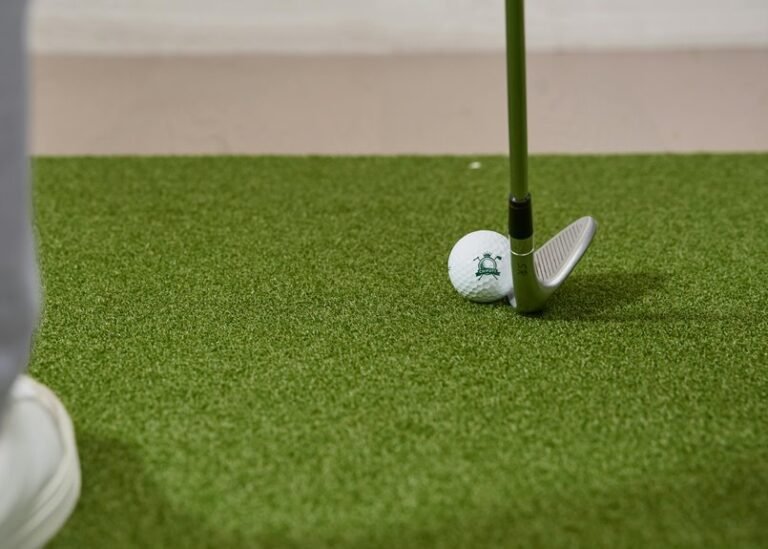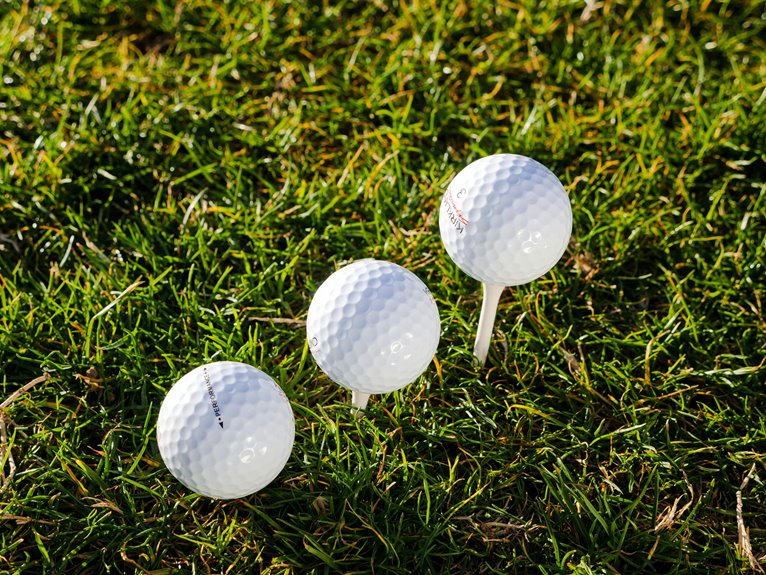

A golf ball in the right spot can make your swing feel much easier. It helps you hit the ball cleaner and send it on a better line. Shorter clubs usually work best with the ball near center. Woods often need it just inside your lead heel.
How Ball Position Affects Contact and Direction
Whenever your ball position is off from even a little, your contact and direction can change fast, and that’s why this part of setup matters so much. You shape impact interactions before you ever swing, so your body positioning, alignment strategies, and swing mechanics need to work together.
Once the ball sits where it should, your club interaction improves, and you get better contact precision without forcing the motion. That helps your swing path stay stable, which supports shot accuracy and cleaner flight control.
Small setup shifts also change your consistency factors, because your eyes, hands, and chest then meet the ball in a different way. So, as you join the right position with steady setup, you give yourself a simple, repeatable chance to strike it solid and feel more at home over the shot.
Start With the Ball off Your Lead Heel
Starting with the ball just off your lead heel gives you a simple, reliable place to build your setup, and it can make a big difference in how the club meets the ball.
- Set your lead foot placement initially, then let the ball sit just inside that line.
- Match your stance width to a balanced, relaxed posture, not a forced stretch.
- Check that your chest and hands feel ready to move through the ball with ease.
When you begin here, you join a setup that helps many golfers feel more grounded and confident. You’re not guessing, and that matters.
Should the ball drift too far back or forward, your contact can get messy fast. Keep it simple, stay patient, and trust this spot as your steady home base on the range or course.
Ball Position by Club Type
Your ball position should change with the club, so you can set up each swing with more control and less guesswork.
With irons, keep it closer to the center for crisp contact, while woods and drivers need it a bit farther forward to help you launch the ball cleanly.
Whenever you match the ball to the club, you give yourself a much better chance to strike it solidly.
Club-by-Club Setup
Because every club asks for a slightly different strike, ball position should shift with the shot you want, not stay frozen in one spot. You’ll feel more in control whenever you match your setup to the club in your hands.
Good ball placement strategies help you find a repeatable starting point, while simple alignment techniques keep you aimed with confidence and calm.
- With shorter clubs, set the ball closer to center so you can meet it cleanly.
- For longer clubs, let the ball move a touch forward so your body can turn through.
- Check your feet, hips, and shoulders together, because one small mismatch can tug the shot off line.
Whenever you do this, you’ll fit in with your own swing and trust your setup more.
Iron, Wood, Driver Positions
Whenever you match ball position to the club in your hands, the whole swing feels a lot calmer and a lot more repeatable.
With irons, keep the ball near center, and let your setup routine place your chest and hands ahead for a clean impact angle. That helps your swing path stay down and through the turf.
With woods, move the ball a little forward so you can catch it on the upswing and keep flight control.
With a driver, set it off your lead heel, or slightly back for tighter ball alignment, then trust your swing tempo.
Keep steady body posture and light grip pressure, because those small choices help you feel like you belong over the shot, not fighting it.
Find the Right Ball Position for Irons
For irons, you’ll usually get the best results with the ball near the center of your stance, because that setup helps you strike down and make clean contact.
As you choose different irons, you might need to nudge the ball a little forward or back, since club length can change where it feels natural.
Watch for common mistakes like playing the ball too far forward or too far back, since both can throw off your contact fast.
Neutral Iron Ball Position
A solid neutral iron ball position starts with the ball centered in your stance, and that simple setup can save you from a lot of messy contact. At the moment you stand in a neutral stance, you give yourself a calm, repeatable place to strike the ball and build consistent impact.
- Place the ball between your shirt logo and buttons.
- Set your feet evenly so your body feels balanced.
- Let your hands stay slightly ahead to help the club meet the ball initially.
That middle spot helps you belong to the group of golfers who hit irons cleanly more often. It also keeps your swing from chasing fixes.
Once your setup is quiet, your strike gets cleaner, and the ball starts behaving like it knows where it’s supposed to go.
Adjusting For Club Length
Upon changing clubs, you can’t keep the ball in the exact same spot and expect every shot to behave the same.
With shorter irons, place it closer to center so you strike down cleanly and keep control. As club length grows, nudge the ball a bit forward, because the longer shaft changes where your body meets it. That small change helps you keep your rhythm and match your shot height to the club in your hands.
Should the ball sit too far back with a longer iron, you might hit low and lose carry. Should it sit too far forward with a short iron, you can lose crisp contact.
Trust the setup, stay relaxed, and let each club do its job.
Ball Position Mistakes
One small mistake in iron ball position can throw off the whole shot, and that’s frustrating at the moment you just want clean contact. You’re not alone, because common errors show up fast as your stance changes or your grip influence shifts the face.
- Keep the ball near center, not too far forward.
- Use positioning tips with alignment issues in mind.
- Make small swing adjustments, not big fixes.
If you use stance variations, check how they change flight control. A ball too far back can help some shots, but it can also create steep misses. A ball too far forward can add thin contact.
As you match setup to club, your consistency factors improve, and you feel like you belong in your own smooth rhythm.
Dial In Ball Position for Woods
For woods, ball position matters just as much as it does with irons, but the target changes. You want the ball just inside your lead heel so you catch it on the upswing and send it on a strong launch.
This spot also helps your wood alignment stay square to the target line, so you don’t fight the club at address. Keep your stance balanced, then let your swing tempo stay smooth, not rushed.
Should the ball creep too far back, you’ll hit down and lose speed. Should it move too far forward, you might lose control.
Check your setup before every tee shot, and you’ll feel more settled, more connected, and ready to swing with the group.
Ball Position for Shot Shapes
Shot shape starts before you swing, and ball position is one of the easiest ways to guide it. Whenever you want a fade path, place the ball a touch forward so the club meets it later. For a draw path, move it slightly back and let the face close a bit earlier. That’s smart shot shaping, not guesswork.
- Ball placement changes how the club meets the ball.
- Small moves can help you feel in control with your group.
- Pick one setup and trust it for the shot you want.
You don’t need magic, just clear ball placement and a calm routine. As soon as you own that spot, you feel like you belong over the ball, and your swing follows the plan.
Fix Thin, Fat, Slice, and Hook Misses
Whenever your contact goes thin, fat, left, or right, the fix often starts before the club even moves. You can calm a thin shot by setting the ball a touch more forward and keeping your chest over it.
For a fat shot, move the ball back slightly and keep your hands ahead so the club can strike down initially.
Should your miss bends right, try a slice fix with a steadier face and centered ball. Should it turn left, use a hook fix by checking that the ball isn’t too far back and your hands aren’t racing ahead.
Small setup shifts help you feel like you belong in your own swing again. Consistent ball position gives you cleaner contact and straighter starts.
Practice Ball Position on the Range
On the range, you can build a much steadier golf swing through checking ball position on purpose instead of guessing. You’re not alone in this. Start each session with a simple target and use range drills that repeat the same setup.
Place an alignment rod at your toes, then set the ball where your club needs it.
- Put irons in the center for clean contact.
- Move the ball forward only at the time you want more height.
- Move it back at the time you need a lower flight.
These alignment tips help you feel how small changes affect strike and direction.
After each shot, notice where the club meets the turf. That feedback helps you trust your setup and keeps your practice honest, calm, and useful.
Frequently Asked Questions
How Does Ball Position Affect My Posture During the Swing?
Ball position changes your posture by changing where you set up and how you tilt into the swing. Place the ball farther forward, and you will stand a bit taller; move it back, and you will bend more over it. That setup helps you stay balanced and strike the ball more cleanly.
Should Ball Position Change for Uphill or Downhill Lies?
Yes, you should adjust it. On uphill lies, shift the ball slightly back in your stance. On downhill lies, play it a little farther forward. This helps you make cleaner contact, keep better balance, and commit to the shot with a setup that matches the slope.
Does Ball Position Differ for Different Wedge Lofts?
Yes, your ball position usually stays close to the same, but it can move slightly as the wedge loft changes. A higher lofted wedge may be placed a little farther back so the club can deliver the ball with the right contact and trajectory.
How Can I Measure Ball Position Consistently at Home?
You can check ball position at home by placing a club or alignment stick on the ground and setting the ball in the same spot each time. Use your lead foot as the reference point, keep your stance width consistent, and repeat the same pre shot setup so the ball starts in the same position every time.
Can Ball Position Help With Bunker Shots and Chips?
Yes, ball position can shape bunker shots and chips. Place it farther back for a lower flight, move it forward for more height, and you will contact the ball more cleanly and control each shot with greater confidence.