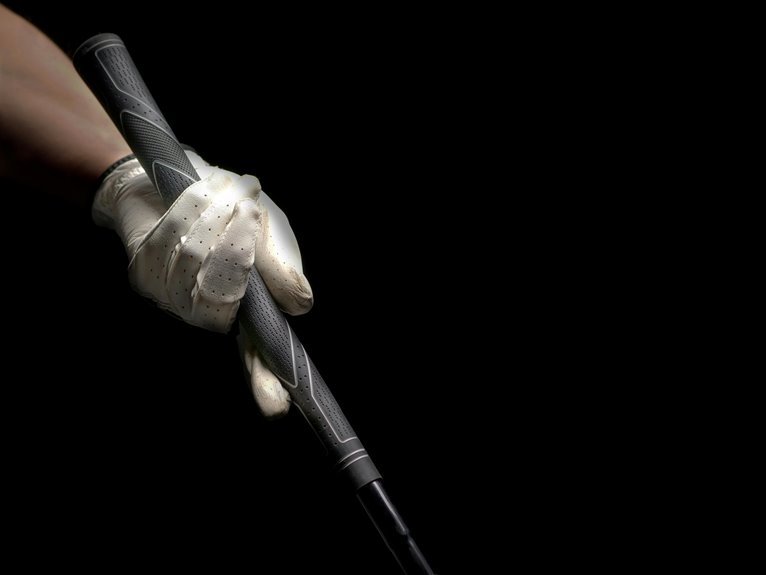

A shaky grip can throw off your whole swing. Simple drills help your hands work together and keep the club steady. Start by checking hand position and building a neutral hold. Then use drills like the Pressure Point Drill and Two-Club Drill to improve clubface control.
Start With Golf Grip Drills
Start with one simple goal: make your golf grip feel calm, stable, and repeatable. You don’t need fancy tricks; you need a feel you can trust.
Begin each drill with light grip pressure, around a steady six on a ten-point scale. That keeps your hands firm without turning them stiff.
Then focus on finger placement, so the club sits in your fingers instead of your palms. This helps you keep control and stay relaxed through the swing.
Next, take slow practice swings and notice how the club moves in your hands. Should your grip tighten, reset and breathe.
With a little practice, you’ll join the group of golfers who swing with more rhythm, better contact, and less tension.
Check Your Hand Placement
A solid golf grip starts with how your hands sit on the club, and that check should become part of every setup. You want the club to rest in your fingers, not deep in your palms, so you can feel control right away.
Look at your hand dominance, then place the lead hand so its fingers wrap cleanly across the handle. Your trail hand should support it from underneath without crowding.
Whenever something feels off, make small grip adjustments before you swing. This quick habit keeps you in the same group of players who trust their setup and stay calm under pressure. A few seconds here can save a shot later.
Keep the check simple, repeat it often, and let your hands work together with ease.
Build a Neutral Golf Grip
- You cut grip tension and swing with more ease.
- You enjoy neutral grip benefits like straighter starts.
- You stay relaxed as nerves try to rush you.
Keep your fingers active and your wrists free. As your grip stays even, your body can turn better and your face control stays steady.
That calm hold gives you trust on every tee.
Try the Pressure Point Drill
Should your neutral grip already feel calmer, the Pressure Point Drill can help you lock that feeling in without adding tension. You lightly set the club in your fingers and notice the pressure point where the lead hand and trail hand meet.
Then you squeeze just enough to keep the club secure, like holding a tube of toothpaste without squeezing out the paste. That small balance builds grip sensitivity, so you can feel whenever you’re too tight or too loose.
Next, make slow practice swings and keep the same gentle hold from start to finish. In case the grip starts to creep up, reset and breathe.
Over time, you’ll trust your hands more, and your swing can feel steadier, smoother, and more like part of the group.
Use the Two-Club Drill
With the two-club drill, you hold one club in your grip while the other helps you feel how the face stays square through the swing.
You can use that extra feedback to keep your hands balanced instead of letting one side squeeze too hard.
At the moment the pressure feels even, your grip gets steadier and your shots start to feel much more controlled.
Align Clubface Square
Whenever your clubface keeps opening or shutting at address, the two-club drill can help you feel square alignment fast. Lay one club along your target line and place the other across the face so they form a clean right angle. You’ll see right away whether your grip pressure is too tight or too loose, because tension can twist the head and blur clubface control.
- You feel steadier and less rushed.
- You fit in with golfers who trust simple checks.
- You build confidence before every swing.
Set the face initially, then match your hands to it. Keep your lead hand and trail hand quiet while you look down, and make a small adjustment until the face points where you want.
This quick habit helps you start every round feeling prepared and included.
Feel Pressure Balance
A good grip doesn’t just hold the club, it sets the feel of your whole swing, and the two-club drill can help you find that sweet spot fast.
Hold two clubs together and make slow swings. Should your hands clamp down, you’ll feel the extra weight right away. That sharp feedback builds pressure sensitivity and shows you as tension creeps in.
Aim for a firm, calm hold, like keeping a toothpaste tube steady without squeezing it. As you swing, notice how grip relaxation lets your wrists move and your rhythm stay smooth.
In the event the clubs twist, reset and soften your hands a little. Soon, you’ll trust a lighter, balanced feel, and your swing will start to feel like part of the group.
Practice Golf Grip Alignment Daily
A quick daily grip check keeps your hands in the same spot, so you build a feel you can trust.
Whenever you line the clubface up with your grip each time, you give your swing a cleaner start and fewer surprise misses.
Repeating the same hand position every day helps your body recall what right feels like, even while you’re in a hurry.
Daily Grip Check
Your daily grip check starts before the club ever moves, and that tiny pause can save you from a lot of crooked shots later. You belong on the range with players who care about the small things.
Check your grip pressure at about a 6, firm but not white-knuckled. Then look at finger positioning so the club sits deep in your fingers, not your palm. That helps you keep grip tension low and build a consistent rhythm.
- You feel calmer as your hands stay steady.
- You trust the swing more as the grip feels natural.
- You stop guessing and start repeating good shots.
Run this check prior to every practice ball. It takes seconds, and it keeps your hands ready to work together.
Clubface Alignment
1 small check can save a whole bucket of bad swings, and clubface alignment is where that fix often starts. You can practice it daily through setting the face square to your target before each swing. That simple habit helps your clubface functionality stay steady, even while nerves creep in.
At the moment the face points left or right, your hands often chase the ball, and that’s at the moment rhythm gets messy. So make a small grip adjustment, then pause and look down. You want the grooves aimed where you mean to start the shot.
Should you stay patient, you’ll feel more in sync with your group and your game. Over time, this quick routine builds trust, and that trust makes each swing feel calmer, cleaner, and more yours.
Hand Position Repetition
Each time you repeat your hand position every day, you give your swing a steady home base. You start to trust your body, and that trust feels good.
Practice the same hand positioning before each shot, so your fingers learn the club, not your nerves. Keep grip pressure around a calm 6 on a 1 to 10 scale. That firm, relaxed feel helps you stay in sync with your group on the range and on the course.
- You feel more settled at setup.
- You build confidence through small wins.
- You stop chasing weird swings.
Prior to every practice swing, check your lead hand and trail hand. Then reset and do it again.
Little repeats can turn awkward contact into a familiar, shared rhythm.
Fix Common Golf Grip Mistakes
A bad golf grip can sneak up on you fast, but the positive aspect is that most grip mistakes are easy to fix once you know what to look for.
Initially, check your grip pressure. Should you squeeze too hard, your arms tense up and your swing gets jumpy. Aim for a steady, relaxed hold that still feels secure, like you’re keeping a tube from slipping.
Next, move to finger placement. You want the club in your fingers, not deep in your palm, so your hands work together and the clubface stays calmer.
Also, avoid a death grip with your thumbs; it usually adds strain.
Whenever you clean up these small errors, you’ll feel more at home over the ball and more confident with every swing.
Build Better Control With Your Grip
Whenever you seek better control over your golf swing, your grip has to do more than just hold the club. You need grip tension that feels firm, not stiff, so your hands can guide the club without fighting it.
Keep your finger alignment deep in the fingers, because that gives you cleaner face control and a more natural release.
- You’ll feel steadier at address.
- You’ll trust your hands through impact.
- You’ll swing with the kind of calm control good players share.
As you check your setup, let your lead hand sit diagonally and your trail hand support from underneath. This simple pattern helps you belong in that smooth, balanced rhythm golfers chase.
Whenever your grip stays active but relaxed, the club feels like part of you, not a burden.
Frequently Asked Questions
How Do I Choose Between Overlapping, Interlocking, and Ten-Finger Grips?
Try all three grips and pay attention to which one gives you the steadiest clubface, the least tension, and the most repeatable contact. Overlapping often works well for players with bigger hands or a stronger right hand, interlocking can help keep the hands connected for smaller hands, and the ten finger grip can feel easier to control for some beginners. Pick the grip that lets you swing without squeezing too hard and produce the same motion swing after swing.
What Grip Pressure Level Works Best for a Smooth, Controlled Swing?
You’ll swing best around level 6, firm yet relaxed, with enough pressure awareness to keep your tempo steady. No need to squeeze harder and sacrifice control. Keep the grip loose enough to stay fluid, and you’ll feel more connected and confident.
How Can I Tell if the Club Is in My Fingers Instead of My Palm?
Feel for the club resting in the pads of your fingers, not deep in your palm. On your lead hand, you should see two knuckles and notice that your wrists move more freely.
How Often Should I Practice Grip-Strength Exercises for Better Control?
Practice grip-strength exercises 3 to 4 times each week to build control without overworking your hands. This steady routine improves grip strength and endurance, helping you feel more secure and confident.
Can Grip Tape or Spray Improve Consistency With a Lighter Grip?
Yes, grip tape or grip spray can help you maintain a lighter hold by increasing surface friction. This can reduce hand movement on the club, support a steadier swing tempo, and make controlled swings feel more secure.