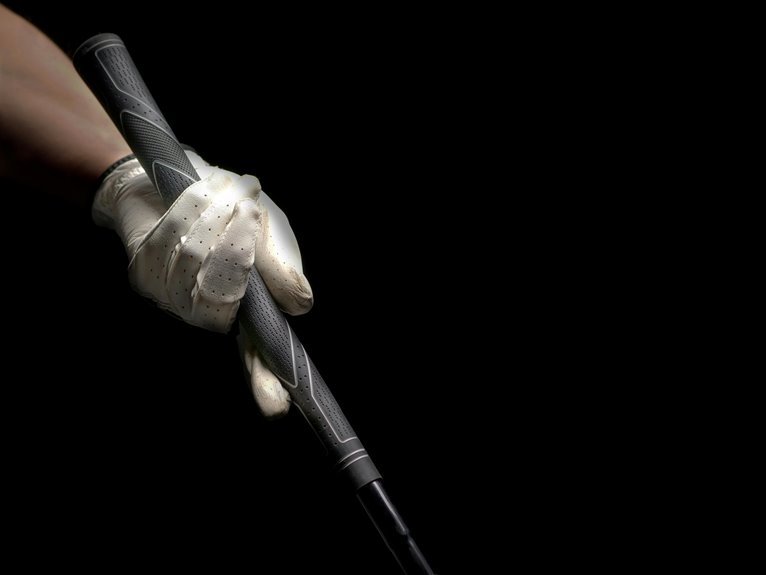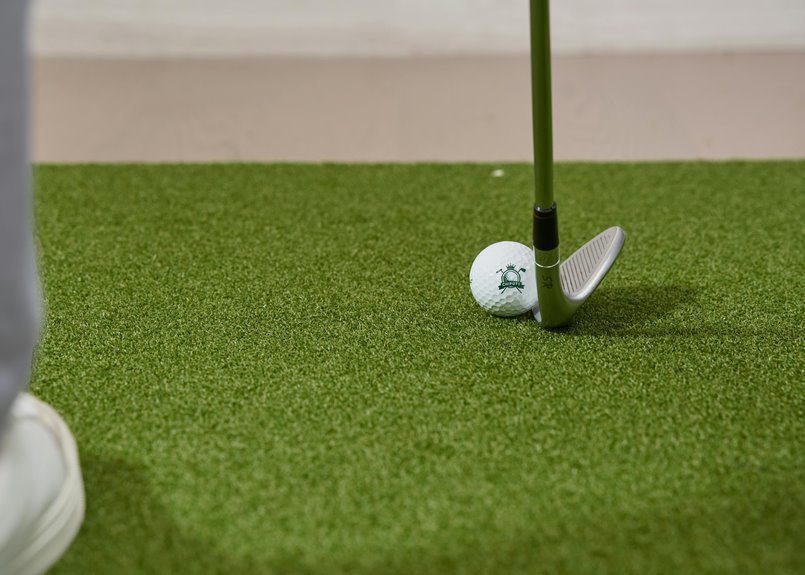

A smoother golf swing starts with simple drills that clean up contact and steady your motion. Balance, tempo, path, and pressure all play a part in better shots. Small changes in one area can make the whole swing feel easier. These drills give you a practical way to build consistency without turning practice into a grind.
What Makes Golf Swing Drills Work?
At their best, golf swing drills work because they give you one clear feel to chase instead of letting your swing turn into a guessing game. You get a simple task, and that makes drill effectiveness easier to trust.
Whenever you repeat a movement, you train your body to match sound swing mechanics without overthinking every swing. That’s why a good drill can calm you down prior to a round. It helps you feel where your club, hands, and body should be, so your setup starts to make sense.
Then your practice gets more focused, and you stop fighting five thoughts at once. You’re not trying to be perfect. You’re building a shared language between your mind and motion, one swing at a time.
Finish in Balance First
A good drill means little whenever you fall apart at the end, so the real test is whether you can finish in balance initially. You want that stable finish position because it shows your swing stability and body alignment held up under pressure.
Try these balance exercises:
- Hold your pose for three seconds after each shot
- Check weight distribution on your lead foot
- Keep your chest tall with posture checks
- Use core strength to stop extra sway
- Finish with follow through focus, not force
Whenever you stay steady, you feel part of a group that strikes the ball with control. Small resets like these build trust fast.
They also help you notice whenever your feet, hips, and shoulders drift. With practice, your finish starts to feel natural, and your contact gets cleaner.
Build a Slower Tempo
Whenever your swing feels quick and jumpy, slowing it down can bring it back under control. You don’t need to force the club; you need to guide it with a calm, steady pace.
Start with a slow takeaway, letting the club move away smoothly so your body stays connected. That simple move sets up rhythm building and helps you avoid the rushed feeling that ruins timing.
From there, keep your backswing controlled and let your changeover feel patient, not snatched. As you stay smooth, you give yourself room to repeat a better motion with more trust.
This kind of tempo also helps you feel like part of a group of steady golfers who know control beats chaos on the course, one swing at a time.
Improve Contact With Feet Together
Feet-together swings can show you the truth fast, and that’s a good thing. With your feet placed close, you can feel every small sway, so balance control becomes obvious. Start with a short iron shot and keep your stance calm. Then let the club move smoothly while you stay centered.
- Set your feet together, then check feet placement before you swing.
- Make a half swing and notice any lean.
- Keep your head quiet as you turn.
- Finish tall and steady, like you belong on the range.
- Repeat until the strike feels cleaner and easier.
This drill helps you trust simple motion, and it sharpens your contact without extra fuss.
Once you stay stable, the ball comes off the face with more confidence and less guesswork.
Keep Your Arms Connected
You can keep your arms connected through letting your shoulders and chest move the club as one unit.
As you separate your hands too soon, your swing starts to feel loose and hard to control, but a simple synchronized swing drill can help you stay together.
This connection gives you a smoother path, better timing, and a more solid strike.
Maintain Arm Connection
Keeping your arms connected is one of the easiest ways to make your swing feel more solid and less chaotic. You’ll feel more in sync whenever your arm positioning stays close and your chest turns with your arms. That simple bond helps you belong to a smoother, more repeatable motion.
- Try connection drills with a towel under both arms.
- Keep pressure light, not stiff, so you can still turn freely.
- Let your lead arm and chest move together on the way back.
- Notice whenever your trail arm drifts away from your body.
- Build the feel slowly, then repeat it until it feels natural.
Whenever you practice this way, you won’t fight your swing as much. Instead, you’ll give yourself a calm path to better contact.
Drill for Synchronized Swing
When your arms and chest move as one, the whole swing starts to feel more serene and easier to trust.
Set up with a short iron, then place a glove under both armpits. Make slow backswings and keep the glove in place as you turn. This simple check helps you build synchronized movements, so your hands don’t wander off and your body stays in charge.
As you swing, feel your lead arm stay connected while your chest keeps rotating through the shot. That rhythm improves swing mechanics and helps you strike the ball with better control.
Should the glove drop prematurely, reset and slow down. You’re not chasing perfection here, just a cleaner motion that feels like it belongs to you.
Pause at the Top of Your Swing
A brief pause at the top of your swing can help you stay balanced instead of rushing the downswing.
It also gives your tempo a steady beat, so your motion feels smoother and more controlled.
As you start the move down with good timing, you’re more likely to strike the ball cleanly and trust your swing.
Top-Of-Swing Pause
Pausing at the top of your swing can calm the whole motion and give you a cleaner move into the downswing. You’re not stopping to look pretty; you’re giving your body a clear beat to follow. Check these top of swing checkpoints: club set, wrists set, and shoulders turned.
Those pause benefits help you feel where you’re before you go. Then you can start down with less rush and more trust.
- Feel the club settle
- Notice your grip pressure
- Confirm your head stays still
- Let your chest finish turning
- Start down with a smooth move
If you’ve ever felt out of sync, this drill can help you belong in a more repeatable swing. It keeps things simple, and simple often wins.
Balance And Tempo
That little pause at the top can do more than calm your swing, because it also gives you a chance to stay balanced and set your tempo before the downswing starts. You’re not alone when this feels odd initially. A brief hold helps you sense balance control and trust your tempo rhythm.
| Feel | What You Notice | Result |
|---|---|---|
| Steady | Your feet stay planted | You feel calm |
| Light | Your shoulders relax | You stay in sync |
| Ready | Your eyes stay on target | You swing with confidence |
When you share this simple rhythm with other golfers, you build a better feel for the game. Try a smooth count, then let the club move naturally. Should you rush, the pause disappears and your swing gets noisy. Keep it quiet, and your group will feel more connected.
Transition Timing
Upon you start your downswing with a brief pause at the top, you give your body a split second to organize the move instead of firing all at once. That tiny beat can steady your swing sequencing, improve body alignment, and support weight transfer without forcing it.
Try these shift drills and timing drills to feel better rhythm synchronization:
- Count “one” at the top, then go.
- Make a soft shoulder-to-hip change.
- Keep your hands quiet for a moment.
- Use tempo adjustments, not extra speed.
- Let movement fluidity replace a rushed lunge.
These timing techniques help you stay connected, which builds swing consistency as pressure climbs.
As you practice, your swing starts to feel more like one smooth team effort, and that’s where better contact often shows up.
Train the Correct Swing Path
A correct swing path starts before the club even moves, because your setup already points the swing in a certain direction. That’s why you need swing path work with path consistency and alignment verification. Use target alignment to place the club and body, then visualize the motion with path imagery. Small path adjustments can improve swing mechanics without forcing the shot. Check this table:
| Check | Feel | Result |
|---|---|---|
| Feet square | Calm | Better swing accuracy |
| Club aimed | Ready | Clearer swing feedback |
| Chest aligned | Steady | Stronger clubface control |
| Rehearse path | Confident | Better path consistency |
When you train like this, you join golfers who trust their setup and stay patient. Keep your eyes on the line, and let the club move along it.
Strike With an Impact Bag
Once your setup and swing path feel steady, you can train the moment that matters most, at the instant the club meets the ball. An impact bag gives you a safe target, so you can rehearse a firm strike without guessing. You’ll feel the strike sensation, and that feedback helps you trust your hands and face through contact.
These impact bag benefits make your motion more reliable as the course gets tense and your group is watching.
- Place the bag where the ball would sit.
- Set your hands slightly ahead at contact.
- Turn your hips through the hit.
- Hold your chest steady through impact.
- Repeat short, crisp strikes for better compression.
As you work, stay relaxed and let each rep build belonging to your own repeatable swing.
Feel Pressure Move Into Your Trail Foot
Envision the pressure shift as a quiet reset, not a big lunge. You let your trail foot accept more pressure while your upper body stays calm. That feel helps your weight distribution stay centered, so you don’t drift or rush.
With better balance maintenance, you build swing stability from the ground up. Keep your hip alignment steady and notice how your posture awareness supports each turn.
As the pressure settles into the trail foot, your body connection feels cleaner, and your backswing gets easier to repeat. You’re not forcing power here. You’re giving your motion a simple home base.
Once that pressure shift feels natural, your swing starts to match the way you want it to move, with more control and less guesswork.
How to Practice Golf Swing Drills Better
Good golf drills work best during the period you practice them with a clear purpose, not just with more swings. You’ll get better results whenever you set personalized goals, pick one drill variation, and keep your mental focus on one feeling.
Use visual feedback like a mirror, tee, or phone video, then make small routine adjustments after each set. Practice with a steady practice frequency, and match your equipment choice to the drill so the motion feels real.
Should your body feel tight, add light physical conditioning initially. Then check swing analysis and consider course application, not just range success.
- Alignment stick work sharpens setup
- Tempo drills calm rushed swings
- Impact bag drills build solid contact
- Short, honest reps help learning
- Friends who practice together stay motivated
Frequently Asked Questions
How Often Should I Practice Golf Swing Drills Each Week?
Practice golf swing drills 3 to 5 times each week. Keep each session to 20 to 30 minutes so the routine stays manageable, your timing stays sharp, and your consistency improves.
Which Drill Is Best for Fixing Alignment at Address?
The alignment stick drill is best for fixing alignment at address because it lets you check your setup quickly and directly. You can confirm your aim instead of guessing, and build a more reliable pre shot routine.
Do These Drills Help With Driver and Iron Shots Equally?
Yes, but they affect each club in different ways. Tempo and weight transfer drills often sharpen driver performance, while alignment, impact, and posture drills usually tighten iron accuracy. Work on both to improve your all around game.
Can I Use Golf Swing Drills Without Hitting Balls?
Yes, you can do golf swing drills without balls and still sharpen your tempo and body movement. Repeating the motions helps you find cleaner positions, improve timing, and build a more reliable practice habit.
How Long Should One Practice Session With Drills Last?
Practice sessions should last 20 to 40 minutes. Begin with short sessions, and your confidence will grow quickly. Adjust the time to how hard you are practicing, keep your attention on the drill, and you will make steady progress with other golfers working toward the same goal.