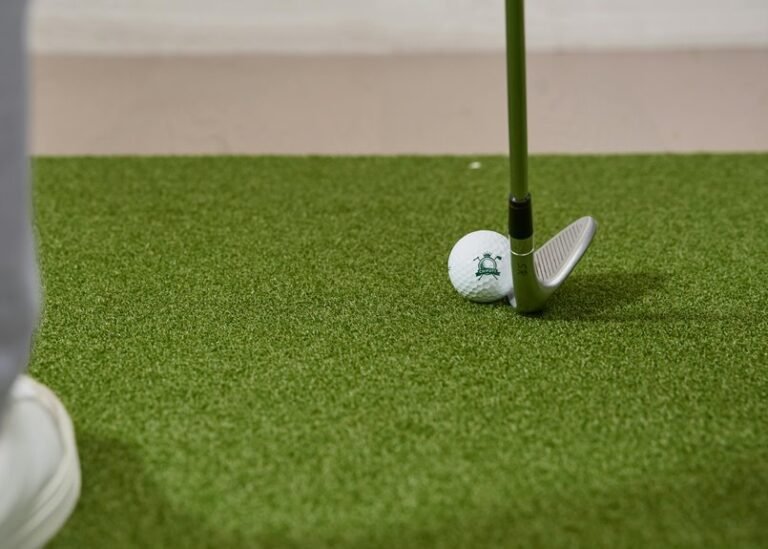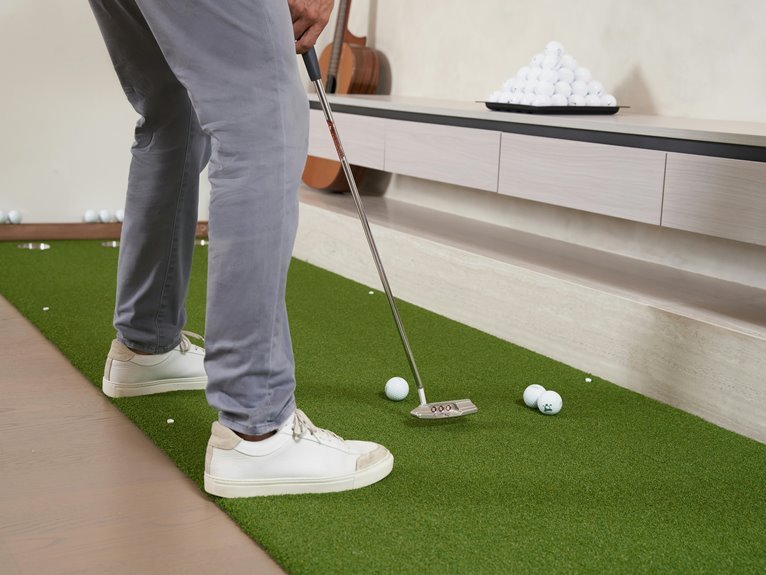

Short putts can rattle even steady golfers, but they do not have to stay a problem. Misses from close range usually come from setup, aim, or a shaky stroke. Drills give your eyes, hands, and nerves a chance to work together. Start with aim, then build feel and pressure so short putts start dropping more often.
Why Short Putts Miss Most Often
Even though short putts look easy, they miss more often than you realize because they expose every tiny flaw in your setup, aim, and stroke. You feel that pressure, and your mindset factors can tighten fast. Common excuses sound tempting, but they hide the real issue.
Visual distractions, like a shadow or moving foot traffic, can pull your eyes off target for a split second. Then alignment mistakes and small grip adjustments can send the ball sideways. In pressure situations, even good players rush.
That’s why your practice frequency matters so much. You need focus techniques that keep your mind quiet and your routine steady. Whenever you miss, don’t beat yourself up. You’re not alone, and with a little patience, you can build trust in those close-range putts.
How to Set Up for Short Putts
A solid short putt starts prior to the putter ever moves, so your setup needs to feel calm, simple, and repeatable.
Stand with your feet about shoulder width apart, then let your weight settle evenly so you don’t rush the stroke. Keep the ball just forward of center, and let your eyes rest over or just inside the line.
Your putting grip should feel light, almost like you’re holding a small bird that can’t fly away. That touch helps your hands stay quiet.
Next, square your shoulders and let your arms hang naturally, because tension steals trust.
Prior to you pull the club back, take one breath and clear your mental focus.
Once your body feels steady, you’ll belong to that rare group who makes short putts look easy.
Use the Gate Drill for Start Line
You can use the gate drill to lock in your start line through placing two tees just wider than your putter head in front of the ball.
Your goal is to roll the ball cleanly through that small opening, which shows you whether your stroke starts straight or slips off line.
Whenever you miss the gate, you get instant feedback and can make a simple correction before your next putt.
Gate Alignment Setup
Set two tees just in front of the hole, and you’ve got a simple gate that can clean up your start line fast. With smart alignment techniques, you see the target better and trust your eyes more.
Place the tees wide enough for the ball, but close enough to punish a miss. That gate placement helps you aim the face square and start the putt on your chosen line. You don’t need a perfect stroke to feel solid here. Instead, you get instant feedback, and that builds calm confidence.
Should the ball roll through, you’re syncing up with the group that values repeatable short putts. Keep your setup steady, breathe, and let each rep teach your hands and eyes to work together.
Path Through The Gate
Once the gate is in place, the real job is learning how to send the ball through it with a clean start line. You want your putter path to stay quiet and centered, so the face meets the ball squarely.
Pick a smooth tempo, then roll a few putts with your eyes on the slot, not the hole. That small lane gives you instant feedback, and gate accuracy tells you whenever you’ve brushed the tees or kept the stroke tidy.
Should you miss, don’t get stingy with yourself. Reset, breathe, and make the next stroke feel like it belongs. With each rep, you build trust in your hands and a calmer touch over short putts.
Start Line Correction
Whenever your putt keeps starting off line, the gate drill gives you a clear fix, because it shows you right away whether the face and path are working together. Set two tees just wider than your putter head, then roll the ball through them on a short, calm stroke. You’ll feel more in control, and that’s what good short putt techniques need.
| Setup | Result |
|---|---|
| Narrow tee gate | Cleaner start line |
| Centered ball position | Better face control |
| Quiet shoulders | Tighter roll path |
Use these alignment strategies whenever you practice with a buddy or alone. Aim your eyes, shoulders, and putter face square to the target, then send the ball through the gate without brushing either tee. Should you miss, adjust one thing at a time, and keep your routine steady.
Build Distance Control With Ladder Putts
Ladder putts help you learn real distance control because you set up progressive distances and feel how each one changes your stroke.
You can match your stroke length to the length of the putt, so your motion stays smooth instead of rushed or timid.
As you work through each step, track how the ball rolls and stops, because that feedback tells you at what point your touch is getting better.
Set Progressive Distances
Setting three, five, and seven-foot putts is a smart way to train your distance control because it teaches your body how different strokes feel before the pressure shows up on the course. With progressive practice, you move from one spot to the next and build trust in each roll. That distance progression helps you feel part of a focused group, like you and the ball are working together.
| Distance | Focus |
|---|---|
| 3 feet | Start with calm confidence |
| 5 feet | Keep your touch steady |
| 7 feet | Stay smooth under a little challenge |
When you miss, reset and try again without drama. Small wins matter. They make you sharper, and they keep your short putting friendly, honest, and steady.
Match Stroke Length
A simple 3-step ladder drill can teach you how to match stroke length to distance without overthinking it. Start at 3 feet, then move to 5 and 7. At each stop, keep your stroke mechanics compact and even, with the putter swinging like a quiet pendulum.
Should the ball come up short, lengthen the backstroke a touch. Should it fly past, shorten it and stay smooth. Use alignment tips each time, so your face points where you want the ball to start.
This drill helps you feel that you belong on the green because you’re building a repeatable rhythm, not guessing. With each putt, you learn to trust the same motion and adjust only the size of your swing.
Track Roll Consistency
Now that you can match stroke length to distance, you can use ladder putts to track how steady your roll really is. Set balls at 3, 5, and 7 feet, then roll each one with the same stroke rhythm.
Watch where every ball finishes, because a true track roll tells you whether your pace stays calm or gets jumpy. In the case that one putt races past and the next dies short, your touch needs work, not your confidence. That’s normal, and you’re not alone.
Keep your eyes on the target, make your setup repeatable, and observe the pattern after each round. At the moment the ball stops in a tight window, you’re building distance control that sticks under pressure, and your group will feel it too.
Improve Accuracy With the Clock Drill
Whenever you want to sharpen your putting accuracy, the Clock Drill gives you a simple way to build trust in your stroke. You place balls around the hole like numbers on a clock, then roll each one from the same short distance. That steady pattern helps you feel where the face starts the ball, and it shows the clock drill benefits fast.
As you repeat the motion, you get better at mastering rhythm without forcing it.
- Set six to twelve balls in a circle.
- Aim, roll, and keep your pace calm.
- Sink them in order, then tighten the circle.
This drill fits your practice group because everyone can chase the same clean start and stay encouraged together. As pressure rises, your short putts feel less scary and more familiar.
Build Face Control With One-Hand Putts
Whenever you use one-hand putts, you give your stroke a simple test that can quickly show how well you control the putter face. You’ll feel every twist, so your hands can’t hide a lazy move.
Start with your trail hand only, then switch to your lead hand and notice how each one hand technique changes the roll. Keep your eyes on face alignment at address, because a square face helps the ball start on your line.
Next, make slow, short strokes from a few feet away. Should the face open or close, you’ll see the miss right away. That’s okay. You’re learning, and every clean strike builds trust.
With a calm rhythm, you’ll join the group of golfers who make short putts look steady and simple.
Use the Coin Drill for Better Aim
A coin can teach your hands to aim with real care. Place it just beyond the ball, then make your coin placement small and honest. You’re training your eyes to pick a narrow path, so each putt feels calmer and more certain.
- Set the coin on your target line.
- Roll the ball so it brushes the coin, not the cup.
- Notice the initial miss, then make a tiny aim adjustment.
Keep your stroke smooth and your shoulders quiet. Once the ball starts on the right track, you’ll feel like you belong in that steady, confident group of good putters.
Should you clip the coin, don’t frown. Laugh a little, reset, and try again. That quick feedback helps you trust your setup and sharpen your aim fast.
Practice Short Putts Around the Hole
Set yourself up just a few feet from the hole and let the small stuff matter. You’ll learn fast that short putt techniques work best as you keep your stroke calm and your eyes steady.
Stand with your feet quiet, swing the putter back a little, and roll the ball through the center. Then move to a few spots around the cup so you can practice from different angles. This helps you trust the same motion, even as the line looks tricky.
Your mental approach matters too, because confidence grows as you expect success instead of hoping for it. As you repeat these putts, you’ll feel more at home near the hole, and that belonging makes pressure feel a lot smaller.
Build a Short-Putt Routine Under Pressure
Pressure changes the visual, even on a putt that looks simple. At the moment your hands tighten, you need a steady pre-shot routine that protects your mental focus.
Start with breathing exercises, then use visualization techniques to see the ball drop cleanly. Next, lock in your stance and trust your rhythm training.
- Take one slow breath and relax your shoulders.
- Envision the line and pick one confidence-boosting cue.
- Roll the putt with the same smooth tempo every time.
For pressure simulation, practice short putts after a miss or with a friend watching. These consistency habits help you feel like you belong in the moment, not apart from it.
Keep your routine short, repeat it often, and let it calm you at times the cup feels very small.
Frequently Asked Questions
How Often Should I Practice Short Putts Each Week?
Practice short putts 3 to 5 times a week in your practice schedule. Keep each session brief and focused so you can build confidence, stay connected to the game, and keep your stroke sharp.
What Putter Length Works Best for Short Putts?
A putter that lets your eyes rest directly over the ball is usually the best choice, often in the 33 to 35 inch range. Your putter fit and grip style should suit your stance.
Should I Use the Same Ball During Putting Practice?
Yes, use the same ball for putting practice. Keeping the ball consistent helps you judge distance, roll, and touch more accurately, and it makes it easier to build confidence in your stroke.
How Can I Keep My Putting Stroke Consistent Under Pressure?
Keep your stroke steady under pressure by relying on a repeatable pre putt routine and a clear target. Take one slow breath, picture the start line, and make the same rhythm every time. That repetition helps you stay relaxed, focused, and confident.
What’s the Best Way to Track Improvement in Putting?
Track it with concrete numbers: log each practice session, note your make rates from every drill, and compare results over time. You will see exactly where your stroke is improving and where it still needs work.