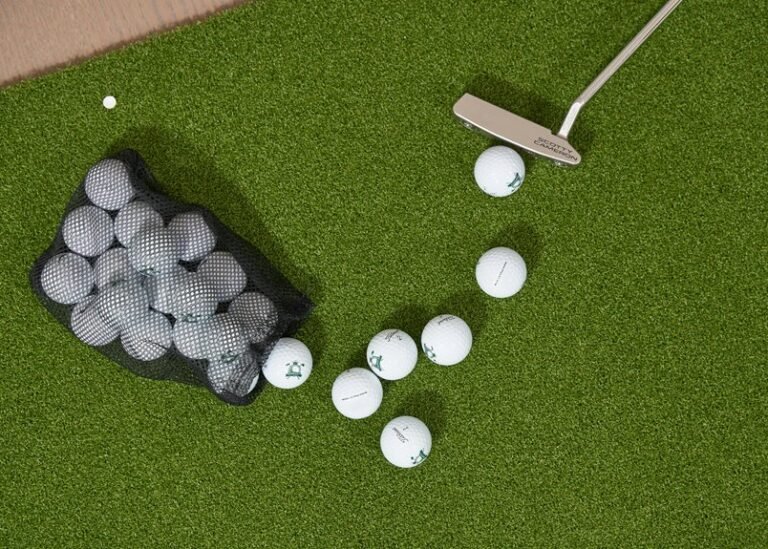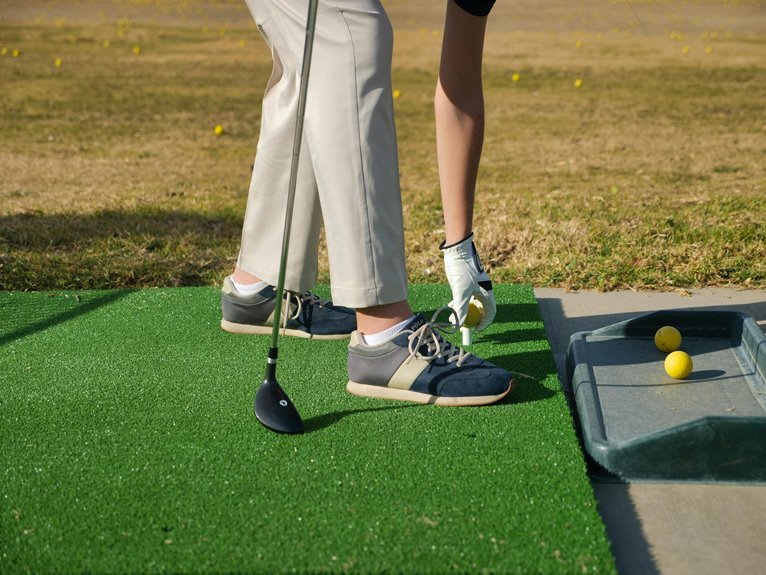

Play better golf without wearing yourself out by keeping practice short and focused. Work on one skill at a time instead of trying to fix everything at once. Mix in rest so your body and mind stay fresh. Use a simple routine that gives every session a clear purpose.
Set a Golf Practice Plan
A smart golf practice plan starts with balance, because most amateurs spend too much time hitting full shots and not enough time on the short game that saves strokes.
You can build yours with a quick golf skill assessment, then set weekly goals that match your game. Start with checking your putting, chipping, iron play, and driving, so you know where you need help.
Next, choose a practice environment setup that fits your life, like a quiet range spot, a backyard net, or a small putting mat at home.
Then block short sessions on your calendar and keep them consistent. Should you practice with your group, you’ll stay motivated and feel less alone.
Finally, track each session in a simple memo, so you can see progress and keep your confidence growing.
Focus on One Golf Skill at a Time
Whenever you try to fix everything at once, your swing can get tangled fast, so it helps to pick one golf skill and give it your full attention. Use skill prioritization to choose the biggest leak, then commit to focused improvement with targeted practice. That expertise approach builds incremental learning and stronger skill retention. Try this plan:
| Skill | Specific drills |
|---|---|
| Putting | Gate drill |
| Chipping | Bump-and-run reps |
| Tempo | Counted swings |
| Contact | Towel drill |
| Balance | One-foot finish |
As you stay with one goal, your mental focus stays sharp, and deliberate practice starts to feel natural. You’ll notice performance enhancement because each rep has a clear job. And you’re not alone in the grind, because every golfer improves faster as the work feels simple, steady, and shared.
Keep Golf Practice Sessions Short
Short practice sessions can do more for your golf game than long, tiring marathons, because your mind stays sharp and your body learns better as you’re fresh. You’ll keep better practice frequency since you know each visit has a clear job. That helps skill retention, too, since your swing won’t fade under fatigue.
Keep your short game work tight, then move into focus drills that challenge your attention. Add pressure simulation by giving yourself a small target and one chance to succeed.
Mix in session variety with putting, chips, and full swings so you stay engaged. Use visual imagery before each shot to envision the result you want.
This kind of routine builds mental toughness, and it also makes you feel like you belong in your own progress.
Train Your Short Game First
Should you want lower scores, start with the part of the game that can save you the most shots. You belong on the practice green, where short game strategies build real scoring power fast.
Mix chipping techniques with putting drills, so you learn touch, roll, and distance control together. Keep your mental focus on one target, then add pressure situations through timing each rep or asking a friend to watch.
Use practice variety with bump-and-run shots, then switch clubs to test feel. Add consistency drills, like landing chips on a towel or rolling putts through a gate.
Keep your swing tempo smooth and your feedback methods simple, such as checking ball finish spots. That skill integration helps you trust your hands, even if nerves show up.
Build a Repeatable Pre-Shot Routine
You can calm your nerves through using the same setup sequence before every shot.
Take one easy breath, then lock in on your target so your mind stops wandering.
Whenever you repeat these steps, you give yourself a steady rhythm and a better chance to swing with confidence.
Consistent Setup Sequence
Because golf gets messy fast as your setup changes from shot to shot, a repeatable pre-shot routine can calm your mind and sharpen your focus before the club ever moves.
You build setup consistency through placing your feet initially, then setting the clubface, then matching your posture to the target line. That order gives you rhythm and keeps your body from guessing.
Next, check alignment importance through picking a small spot in front of the ball and aiming your shoulders, hips, and feet to it. Whenever you do this every time, you feel less rushed and more at home over the ball.
Keep each step simple, and trust the same pattern on every shot. Soon, your swing starts from a familiar place, and that feels good.
Calm Breathing Cue
A steady setup only works at the moment your mind feels settled, and a calm breathing cue can give you that quiet control right before the swing starts. As you step in, use one slow inhale and one longer exhale to ease tension and sharpen mental focus. That simple rhythm helps you feel like you belong in the shot, not fighting it.
| Cue | Count | Feeling |
|---|---|---|
| Inhale | 2 | Soft shoulders |
| Pause | 1 | Quiet hands |
| Exhale | 4 | Steady mind |
These breathing techniques work best as you keep them the same each time. After a few reps, your body starts to trust the pattern, and your routine feels natural instead of forced. Then you can swing with a calmer pace and less doubt.
Target Focus Check
Where should your attention go at the moment you step over the ball? To begin, lock onto your target and trust that image.
Then build target visualization by seeing the start line, the landing spot, and the ball flight in one quick look.
Next, use the same routine every time: pick the spot, set your feet, check the clubface, then take one calm breath. This simple order keeps your mind steady and helps you stay with the group, not stuck in doubt.
As you repeat it, mental resilience grows because you learn to reset after bad shots without drama.
Finish by giving yourself one clear cue, like “smooth” or “start it there,” and swing with purpose. That steady rhythm makes practice feel familiar and less tiring.
Use Drills With Immediate Feedback
As you practice golf, immediate feedback can save you a lot of time and frustration, since it shows you right away what the swing just did.
Use simple drills that give you feedback loops so you can spot patterns fast and make instant corrections. For putting, roll balls through a tee gate or toward a line on the green, then adjust your start line before the habit sticks.
For chipping, place a towel or target circle nearby so you see contact and distance control at once. At the moment you hear a thin strike or see a pulled shot, don’t groan and reset with purpose.
That quick reaction keeps you learning with each rep. You’ll feel more supported, more in control, and a lot less lost on the range.
Track Golf Practice Progress
Whenever you track your golf practice progress, you stop guessing and start improving with purpose. You can keep a simple notebook or phone log, and that small habit builds confidence fast.
Record each session with progress tracking observations on what you worked on, how many reps felt solid, and where you lost control. Then use performance analysis to spot patterns, like shaky putting or weak contact with irons. This helps you choose smarter goal setting for the next visit, so you’re not just swinging harder.
You can also do skill assessment each week through rating your chip, putt, and full swing work. That way, you see real growth, stay connected to your routine, and feel part of a golfer group that keeps getting better together.
Add Pressure Drills for Real Rounds
Pressure drills can feel a little uncomfortable initially, but that’s exactly why they help you play better on the course. You need pressure scenarios that feel real, so your mind learns to stay calm as a putt matters.
Try shot simulations with one ball, one target, and no do-overs. Then add competitive drills, like beating your last score or calling a friend to match results. These moments build mental resilience because you’re training your nerves, not just your swing.
Keep the setup simple, but make each rep count. As you practice under a little stress, you start trusting your routine, your focus, and your swing. That trust gives you a stronger group feeling too, because you know you can handle the heat with everyone watching.
Rest Between Golf Practice Sessions
You need rest between golf practice sessions so your body can use the recovery window to repair muscles and reset your swing.
When you keep stacking hard sessions without enough space, you can lose quality fast and your practice load starts working against you.
A smart break gives you better energy, cleaner reps, and a much lower chance of feeling worn down during the next session.
Recovery Window
After a solid practice session, your body and mind need time to settle, because real improvement happens during recovery, not just during swings.
Give yourself a recovery window of at least one day whenever the work feels intense, and use that space for light walking, stretching, and mental rejuvenation.
These recovery strategies help you stay fresh, keep your focus sharp, and make your next session feel like you belong on the range, not like you’re chasing it.
Should you practice hard on short game drills or full swings, listen to small signs of fatigue and don’t force another round too soon.
You’ll return with better rhythm, steadier tempo, and a calmer head, which matters just as much as extra reps.
Muscle Repair Time
Whenever your practice gets intense, your muscles need real time to rebuild, and that rest is where steady golf gains start to show. You’re not losing ground as you step away; you’re helping muscle recovery happen so your swing can feel easier next time.
Give yourself a day or two after hard sessions, especially in case you feel tight or sore. That pause supports injury prevention and keeps you ready to join the next round with confidence. Light stretching or an easy walk can help, but don’t chase another hard session too soon.
At the moment you respect the repair time, you protect your body, keep your rhythm, and stay in the group longer. Your game and your body both work better whenever they get a fair chance to heal.
Practice Load Balance
Even the most motivated golfer can do too much, so balancing practice load matters just as much as the drills themselves. You should rest between sessions so your body can adapt and your mind stays sharp.
Should you hit hard one day, keep the next day lighter with putting, chipping, or slow swings. That mix keeps practice intensity honest and helps you avoid stale reps. Good session variety also spreads stress across different muscles, so you build skill without feeling worn down.
Listen for small warning signs, like heavy legs, loose contact, or fading focus. At the time those show up, step back and recover. Then you’ll come back ready, confident, and part of the group that practices smart, not just long.
When to Take Golf Lessons
So, at what time should one take golf lessons? Whenever you practice, take them after a skill assessment shows the same miss again and again.
Then you can match lesson frequency to your needs, not your ego. Should your short game feel shaky, a coach can help you save strokes fast.
During instructor selection, look for someone who matches your learning styles and gives clear drills. Also, the feedback importance is huge, because small fixes stick when you hear them right away.
Set goal setting around one or two simple habits, like better contact or steadier tempo. That way, each lesson drives personal improvement, and you’ll feel like you belong on the range, not lost in it.
Frequently Asked Questions
How Can I Practice Golf Effectively at Home Without a Simulator?
You can improve your golf game at home by setting up focused drills with a putter, practice balls, and alignment sticks. Work on putting, chipping, swing tempo, and short, structured sessions that build consistency over time.
What Drills Improve Golf Swing Tempo and Rhythm Fastest?
You will improve fastest with metronome tempo drills, counting “1-2-3” on the backswing and “1” on the downswing, and towel-under-arms swings. These drills train swing cadence, rhythm, and feel, while helping you become a more consistent and confident ball striker.
How Do I Make Range Practice Feel Like an Actual Tournament?
Make range sessions feel like a real event by using random targets, hitting only one ball at a time, keeping score, and treating every shot as if it matters. Bring friends, stick to your full pre shot routine, and practice with the same focus you would use in competition.
Which Stretching Routine Best Supports Golf Flexibility and Recovery?
A golf stretch routine works best when you loosen up the hips, shoulders, hamstrings, and torso before practice, then use foam rolling after your round to support recovery. This can help you move more freely and feel ready for your next session with your crew.
How Can I Fix Uneven Lies and Slope Shots in Practice?
Practice ball below feet setups, uphill and downhill stances, and shot shape visualization to handle uneven lies and slope shots. These drills sharpen balance, improve weight shift, and make tricky turf feel more manageable.