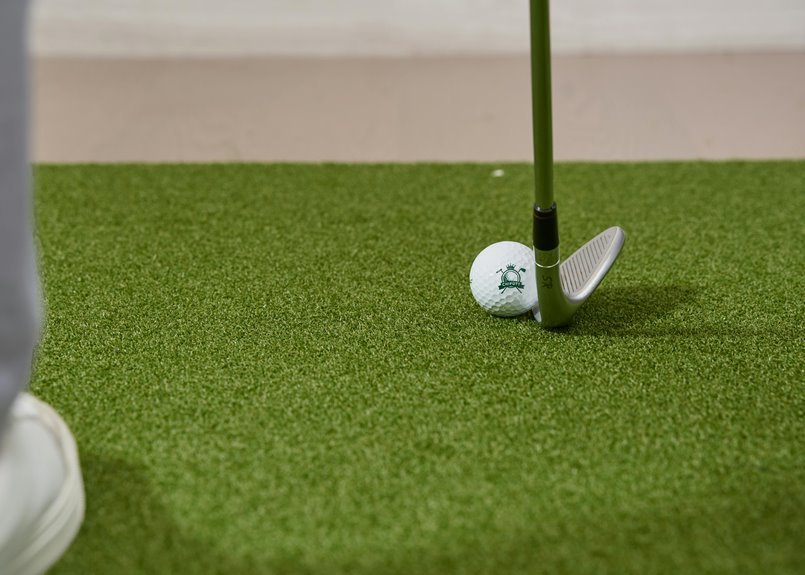

Balance in golf starts with a steady setup and a controlled weight shift. A stable core helps the club move more freely through the swing. These 12 balance drills can sharpen control from address to finish. They also reveal small faults fast, so you can clean up your motion sooner.
What Makes Golf Balance So Important?
Once your balance is solid, your golf swing has a much better chance of staying on course. You feel steadier, and that steady base helps every part of the motion work together.
The importance of balance shows up whenever you shift your weight, turn your hips, and keep your posture under pressure. Without it, even a good grip can’t save a shaky move. With it, you get real stability benefits, like cleaner contact, better control, and less wasted effort.
You also feel more confident, because your body knows where it’s and what it should do next. That sense of control can make you feel part of a smoother, more trusted swing.
In golf, balance isn’t extra. It’s the quiet strength that holds everything together.
Check Your Golf Setup Before Drills
Before you start any golf balance drill, take a quick look at your setup, because a small flaw here can throw off the whole move.
Stand with your feet about shoulder width apart, and let your knees stay soft, not locked. Check your grip alignment, too, so the clubface sits square and your hands work together.
Then make a few setup adjustments that match your body, like tilting from the hips and keeping your weight centered over both feet. This helps you feel steady before you even move.
As soon as you and your setup are in sync, the drill feels less like a test and more like practice with your crew. That calm start gives you a better chance to build balance, confidence, and a smoother swing.
Try the Feet-Together Golf Balance Drill
This setup makes you work harder to stay centered, so you learn to hold balance through impact instead of rushing through the swing.
At the beginning, it might feel a little awkward, but that’s exactly why it helps you build control and trust your motion.
Feet-Together Setup
Even a small change in stance can wake up your balance, and the feet-together setup does exactly that. You stand with your heels and toes close, then make a smooth swing. That narrow base creates balance challenges fast, but it also shows you where your body drifts. For many players, the feet together benefits include cleaner rhythm, sharper focus, and better control of sway. Try this quick guide:
| Step | Action |
|---|---|
| 1 | Set your feet together |
| 2 | Keep your knees soft |
| 3 | Swing at half speed |
| 4 | Hold your finish |
You’ll feel the wobble, and that’s normal. Stay calm, breathe, and let your core steady you. Each rep helps you feel like you belong in a more stable, confident swing.
Balance Through Impact
Whenever you work on balance through impact, the feet-together golf balance drill can show you exactly how steady your swing really is. You stand with your feet touching, make smooth swings, and watch how your body handles pressure at contact.
This simple impact analysis shows where you drift, sway, or rush, so you can fix it with confidence. Once your swing mechanics stay centered, you feel stronger and more in control.
- You stay connected to the shot.
- You build trust in your body.
- You feel like you belong in the motion.
Keep your chest quiet, your knees soft, and your finish tall. Then repeat the drill with short irons initially, because that helps you lock in cleaner contact without forcing the move.
Use the Step-Through Drill for Better Rhythm
Anytime your swing feels rushed or out of sync, the step-through drill can help you find a smoother rhythm.
You start with your feet set, make a slow backswing, then let your trail foot step forward as you finish. That step-through technique keeps you moving instead of forcing the club, and it supports rhythm improvement without tension.
You’ll feel your body stay connected while your arms and hips work together. Try three to five smooth swings, then pause and reset your tempo.
Keep your eyes on the target and let the motion feel easy, not sharp. With a little practice, you’ll join the golfers who trust this drill to calm the swing and make timing feel natural.
Practice Weight Transfer With Alignment Sticks
Set your feet so your lead side can accept more pressure, and place an alignment stick just outside your target line to guide that shift.
Then rehearse slow swings and feel your hips turn while your weight moves cleanly onto your front foot.
At the finish, check that you can hold a steady pose without tipping, because that tells you the transfer stayed balanced.
Weight Shift Setup
Because weight shift can feel tricky initially, alignment sticks give you a clear visual guide that makes practice easier and more honest. You’ll see your weight distribution more clearly, and that helps your swing tempo stay smooth instead of rushed.
Set two sticks on the ground to frame your stance, then place your feet so you feel centered, not stiff. Keep your chest calm and let your trail hip load before you move through the ball. That small pause helps you trust the motion.
- You’ll feel less lost.
- You’ll build cleaner contact.
- You’ll start to belong in your own swing.
As you repeat it, your body learns where pressure belongs. Then you can shift with confidence and stay connected to the group of golfers who move with control.
Alignment Stick Drills
As you start working with alignment stick drills, you give your body a simple path to follow, and that can calm a swing that feels a little wild.
Set one stick along your target line and another just outside your trail foot. Then make slow rehearsal swings while you shift pressure into your lead side without swaying.
These alignment stick techniques help you feel where your hips, knees, and feet should work together. One of the biggest alignment stick benefits is that you can see mistakes fast, so you adjust before bad habits settle in.
Start with half swings, then move to fuller motion once the path feels steady. With each rep, you’ll build trust in your motion and feel more at home over the ball.
Balanced Finish Check
After you start to trust the line from your alignment stick work, you can use that same setup to check whether your weight really finishes where it should.
Place one stick along your target line and another near your lead foot as a clear finish gate. After each swing, hold your pose and see if your chest, hips, and trail foot match your balance checkpoints.
In case you’re falling back, you rushed the shift. In case you stay tall, you owned the move.
- You’ll feel steadier whenever your finish looks clean.
- You’ll know your swing analysis has real proof.
- You’ll belong with golfers who finish strong and proud.
Make a few reps, then reset. That simple pause teaches your body to trust the transfer, and it helps your next swing feel calmer, sharper, and more connected.
Build Control With the One-Foot Finish
Whenever you seek better control at the top of your finish, the one-foot finish is a simple way to test and train it. After each swing, lift your trail foot and hold your finish on the lead leg. Keep your chest tall, your belt buckle facing the target, and your eyes steady.
This helps you feel where your weight goes and whether you can stay calm under pressure. Try a few balance variations, like holding longer, closing your eyes for two seconds, or switching legs after each shot.
These stability techniques give you clear feedback without making practice feel stiff. In case you wobble, don’t worry. You’re building a stronger base, one smooth rep at a time, and that’s how better control starts.
Improve Stability With the Slow-Motion Swing
The slow-motion swing can help you build steadier balance because it forces your body to notice every small move. Whenever you use the slow motion technique, you feel how your feet, hips, and hands work together. That awareness can calm your swing tempo and make each rep feel more owned for you.
- You’ll notice shaky spots before they grow.
- You’ll feel more in control, like you belong in the swing.
- You’ll trust each turn instead of rushing it.
Make each backswing and downswing smooth, then pause just long enough to stay centered. Breathe, keep your rhythm, and let the club move without a fight.
Soon, you’ll start to sense the same steady feeling every time you step in and swing.
Train Core Control With the Split-Stance Drill
With a split stance, you can teach your core to stay calm while the rest of your body moves. You’ll feel the split stance benefits fast because your weight stays organized and your swing feels steadier. That’s the power of core engagement.
| Cue | Result |
|---|---|
| Soften both knees | You stay athletic |
| Brace your midsection | Your torso resists sway |
| Keep your chest tall | Your posture feels strong |
| Make smooth backswings | Your body learns control |
| Finish balanced | You build trust |
Set your feet hip width apart, then slide one foot back. Hold a club across your chest or across your shoulders. Make short swings and keep your hips quiet. This drill helps you belong to your swing, not fight it. Should you rush, reset and breathe. Small reps teach big control, and that calm strength can show up at the moment you step onto the course.
Stay Centered in the Chair Drill
Should you tend to sway during your swing, this chair drill can help you feel much steadier right away. Set a chair behind you and stand as though you’re about to sit, with your hips lightly near the seat. Keep chair stability by pressing your weight through both feet and keeping your chest tall. This builds posture alignment and helps you notice whenever you drift too far back or forward.
- You’ll feel more in control.
- You’ll trust your setup again.
- You’ll stop chasing balance after impact.
Move slowly, then make small swings while staying centered over your feet. In case you can keep the same pressure on both sides, you’re training the same calm base your swing needs.
That steady feeling can make you feel like you belong in the fairway.
Challenge Your Balance With Eyes-Closed Swings
As your balance starts to feel more solid, closing your eyes can give you a new kind of challenge. You’ll notice the ground through your feet, not your sight, and that helps improve balance in a real way. Stand tall, make a smooth half swing, then freeze your finish. Should you wobble, that’s okay; you’re learning. Try three swings each side and let your body settle before the next one.
| Feel | Motion | Focus |
|---|---|---|
| Quiet feet | Slow takeaway | Swing precision |
| Steady hips | Smooth turn | Balance improvement |
| Soft knees | Controlled finish | Body feel |
| Calm breath | Even tempo | Trust |
| Firm core | Clean contact | Control |
You’re part of a group that builds skill one honest rep at a time, and that shared effort makes practice feel less lonely.
Add Pressure With the Swing-to-Hold Drill
The swing-to-hold drill asks you to make a normal swing, then freeze in your finish so you can feel where your balance really lands.
As you move from speed into stillness, you’ll notice at what point your pressure shifts too soon or too late, and that timing matters a lot.
Once you can hold the finish without wobbling, you know your body stayed organized through the whole motion.
Swing-To-Hold Basics
Once you can hold your finish with control, the swing-to-hold drill adds just enough pressure to show you where your balance really lives. You start with smooth swing mechanics, then stop in your finish and notice body alignment, core engagement, and weight distribution. That quick stability assessment helps you trust your swing tempo without forcing it.
Keep grip pressure light, so your hands don’t steal the job from your body. Stay with your mental focus and let your follow through technique speak for you.
- You feel steadier, not stiff.
- You feel part of the group, not behind it.
- You feel your rhythm control come back.
If you wobble, don’t judge it. Breathe, reset, and swing again. Small wins build the kind of calm that belongs on any tee box.
Pressure Shift Timing
As you add a little pressure to the swing-to-hold drill, you start to see your true pressure shift timing, and that’s a good thing. You feel as your weight distribution moves too soon, too late, or just right. That clue helps you sharpen timing techniques without rushing the club.
Keep your chest calm, let your lower body guide the motion, and trust core engagement to steady you. These balance exercises build swing fluidity you can feel, not guess. As you repeat the motion with a smooth hold, your body learns better tempo control and cleaner pressure shift patterns.
Over time, these stability drills and proprioceptive training improve fluid stability, so you can stay connected, confident, and in sync with the group.
Balanced Finish Check
Pressure Finish Check can tell one a lot about their swing before their ball flight does. You start with a short club, swing, then hold your finish for three full seconds. Should you wobble, you’ve found a gap in your balance checkpoints.
Use these stability techniques:
- Feel your weight settle on your lead foot
- Keep your chest tall and your belt buckle facing the target
- Notice whether your trail foot stays light and quiet
As you repeat the swing-to-hold drill, you build trust in your body and in the group of golfers chasing the same steady finish.
That shared feel matters. You’re not just chasing style. You’re training control, calm, and a finish you can own under pressure, even at the moment the shot feels big.
Use Golf Balance Drills on the Range
You can use golf balance drills right on the range to make practice feel more real and less like a guessing game. Start with range techniques that fit your normal routine, but give your balance fundamentals a clear job.
Before each shot, stand tall, set your feet, and hold a smooth finish for three seconds. Then hit half swings with a wedge, feet together or with a narrow stance.
Next, try single-leg rehearsals between shots, or walk heel-to-toe while you wait. These small resets help your body learn steadier weight shift and cleaner contact.
Should you feel wobbly, that’s okay. You’re not behind. You’re building the kind of control that helps you belong on the tee box with confidence.
Frequently Asked Questions
How Long Should I Hold the One-Foot Balance Position?
You should hold the one-foot balance position for 30 seconds before switching feet. That amount of time helps train steadiness, sharpens control, and gives you a smoother, more grounded swing.
Which Balance Drills Are Best for Beginners?
You’ll do best with standing on one foot, heel to toe walking, and easy reverse lunges. These drills train core stability and are simple enough to help you improve steadily and safely.
Can Unstable Surfaces Improve Ankle Stability?
Yes, they can. Standing on a foam pad or Bosu challenges the small muscles around your ankle and sharpens balance awareness. To begin, hold a one minute stance, then progress to squats as your control improves.
How Many Sets Should I Do for Balance Training?
Do 2 to 3 sets for most balance training sessions, and use stability drills like standing on one foot or working on unstable surfaces. You’ll build steadier control, and you’re not doing it alone.
Do Single-Leg Exercises Help My Golf Swing?
Yes, single-leg exercises can improve your golf swing. They develop balance, hip control, and force transfer, which can help you stay stable through the motion, shift weight more efficiently, and make more consistent contact.