
A well-set golf bag can save strokes and time on the course. Keep your rangefinder, tees, gloves, and divot tool in easy-to-reach spots. That setup helps you stay in rhythm and avoid extra hassle between shots. A few simple tweaks can make your bag work better on those long, windy rounds.
What Belongs in Your Golf Accessories Setup?
As you set up your golf accessories, start with the items that help you play smarter, walk easier, and stay in control from the initial tee to the last putt. You’ll want a rangefinder or GPS watch for exact yardages, plus a glove, towel, ball markers, and a divot tool for steady, respectful play.
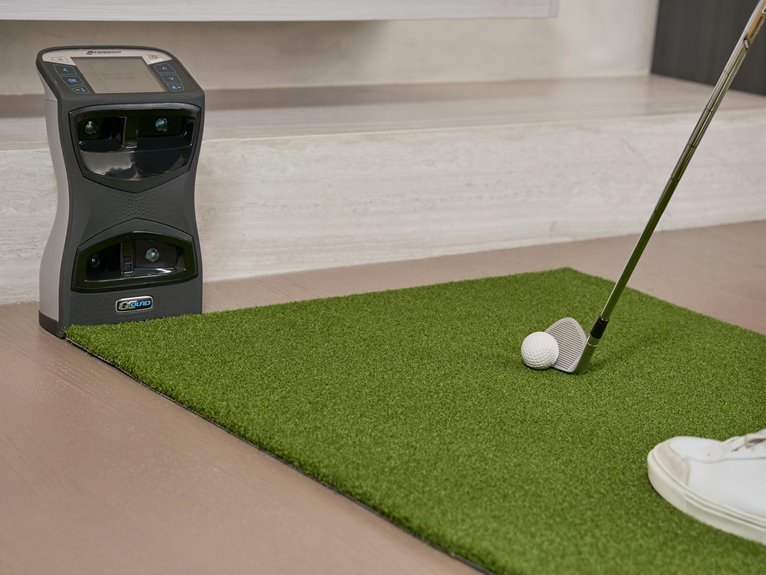
Next, add swing aids and training tools that match your goals, since custom accessory recommendations can save you time and money. Should you walk often, choose a push cart or trolley that supports ideal weight distribution, so your energy lasts longer and your shoulders don’t complain during hole 14.
Then, keep your grips, launch data tools, and course-care gear close. Together, these pieces help you feel prepared, confident, and part of the game you love.
Choose the Right Golf Bag Layout
A smart golf bag layout can make every round feel calmer, faster, and a lot less messy. You don’t need fancy gear; you need a setup that fits how you play. Whenever you match your bag types to your habits, you feel more at home on the course and less like you’re digging through a junk drawer.
- Put clubs in the same order every time, so your hands know where to go.
- Use storage solutions for balls, tees, gloves, and markers in separate pockets.
- Keep rain gear or snacks in the easiest space to reach.
Should you walk, a lighter stand bag could suit you. Should you ride, a cart bag gives you more room. The right layout helps you stay organized, settled, and ready with your crew.
Prioritize Accessories That Speed Up Play
Once your bag is neat and easy to use, the next step is making sure your gear helps you keep moving. Choose tools that cut down delays, so you stay in rhythm with your group and feel like you belong out there.
A reliable rangefinder gives you quick, accurate yardages, and strong rangefinder accuracy means fewer second guesses before you swing. Add a push cart that rolls smoothly, because push cart comfort keeps your body fresher over 18 holes and helps you walk with less drag.
You can also pick a watch or GPS device for fast distance checks. Small items that speed up play, like a glove that fits well and a towel that stays handy, keep your round calm, steady, and social.
Keep Essentials Within Easy Reach
As soon as you keep your golf essentials close at hand, your round feels smoother right away. You save time, cut stress, and stay part of the group’s rhythm.
Put your accessory essentials in spots you can reach without digging.
- Clip your glove, towel, and ball marker near your bag opening for quick access.
- Keep your rangefinder or GPS watch in an outside pocket so you can check yardages fast.
- Store your divot tool and repair items where your hand finds them in one move.
That simple setup helps you move with confidence and feel ready on every tee.
Once your gear has a clear home, you spend less time searching and more time playing your own steady game with the crew.
Organize Golf Balls and Tees
Now that your go-to gear is easy to grab, give your golf balls and tees the same kind of order so your setup feels calm instead of chaotic. You’ll save time as you use simple ball storage that keeps a few fresh balls together and easy to count.
Next, set up tee organization in a small pocket or tube, so you’re not digging around while your group waits. Keep your top tees up front and your extras behind them, and match the size you use most often.
That little system helps you move with confidence and feel like you belong in any foursome. As everything has a place, you can start each hole steady, focused, and ready to play your best without the usual scramble.
Set Up Your Rangefinder or GPS
Before you head out, set your rangefinder or GPS to match the course so you can trust every number you see.
Calibrate the rangefinder should it be needed, and make sure your GPS has the right course loaded and synced.
A few quick checks now can save you from second-guessing club choice later, which always feels better than pacing off a shot twice.
Rangefinder Calibration
A well-set rangefinder or GPS can take a lot of stress out of your round, because it turns guesswork into clear numbers you can trust.
Whenever you check rangefinder accuracy, you give yourself a fair chance to choose the right club and stay calm with your group. Use simple calibration techniques before you tee off, then test a target at a known distance. Should the number look off, reset the device and clean the lens.
- Match the display to a marked yardage.
- Confirm slope is off in competition.
- Recheck after battery changes.
This small habit helps you feel prepared, not rushed. It also keeps you in sync with the other golfers who rely on solid yardages and quiet confidence.
GPS Course Sync
One quick sync can save you a lot of second-guessing on the course. Start with checking GPS Accuracy, then open your Sync Settings and pull in the latest Course Updates. You’ll feel more at home as your device knows the same fairways you do.
Next, confirm Device Compatibility with your rangefinder, watch, or phone, because bad matches waste time. Use Data Syncing before you leave, not on the tee box, so you’re ready as nerves kick in.
After that, check Battery Management and turn on only the features you’ll use for Feature Optimization. In case you like custom numbers, set User Preferences and review Integration Options with score apps.
Finally, follow simple Guidance Tips, and your setup will guide you like a steady playing partner.
Pack the Right Golf Glove and Towel
You want a glove that fits snugly without pinching, because that close fit helps you hold the club with steady confidence.
A clean towel should stay easy to reach so you can wipe sweat, grass, or dirt off your hands and gear between shots.
As soon as both items are packed right, you keep your grip reliable and your round a lot smoother.
Proper Glove Fit
Whenever your glove fits correctly, the whole round feels easier, because your hand can stay relaxed instead of fighting the club. You want glove materials that match your grip and weather, then use fit adjustments to keep the palm smooth and the fingers snug, not cramped.
- Check the fingertips. They should reach near the end without bunching.
- Test the palm. It should lie flat when you close your hand.
- Close the strap. You want firm contact, but no pinch.
At the moment you find that sweet spot, you feel part of the group, not the one fidgeting on the tee box. A right fit gives you steadier control, cleaner swings, and less hand strain.
That matters as pressure rises and your confidence needs a quiet enhancement.
Clean Towel Access
A clean towel sounds like a small detail, but it can save your round. You want quick access, so clip one where you can reach it without digging. Choose a towel material that drinks up moisture and wipes mud fast, like microfiber.
Then match the towel size to your setup: large enough for clubs, small enough to stay neat. Keep one side damp for grooves and the other dry for your hands and glove. That split keeps your grip steady as pressure climbs.
Also, pack a fresh glove in a pocket or pouch, not loose at the bottom of your bag. Once your towel and glove stay clean, you feel ready, included, and calm with every shot.
Store Divot Tools and Ball Markers Smartly
Keeping your divot tool and ball marker in one smart spot saves time, cuts down on pocket clutter, and helps you stay calm as the round gets tight.
You can build simple divot tool storage with a magnetic clip, a small pouch, or a cart pocket you always use. That way, you’re not hunting while your group waits.
For steady ball marker placement, keep it beside your glove or on your hat clip so you reach it fast and look prepared.
- Pick one home for both items.
- Practice returning them there after every putt.
- Check that your setup feels easy, not fussy.
When you keep them together, you fit in with players who move with purpose and respect the pace.
Prepare Your Setup for Bad Weather
After you’ve got your divot tool and ball marker easy to grab, you can give the rest of your setup the same kind of care before ugly weather shows up.
Build a small weather kit with weather resistant gear, a rain cover, and an umbrella holder so you’re not scrambling as clouds roll in. Add waterproof shoes and a windbreaker jacket, then pair them with moisture wicking apparel to stay comfortable as the air turns heavy.
Keep a quick dry towel clipped where you can reach it fast, because wet hands can ruin a solid swing. Should cold rain creeps in, a portable heater in your cart can help you stay loose.
Whenever you prep this way, you join the players who stay ready, calm, and confident no matter what the sky decides.
Plan Your Hydration and Snacks
Whenever you plan your hydration and snacks well, you give your body a real edge before hunger or thirst can sneak in and wreck your focus.
You fit right in with golfers who stay steady because you anticipate ahead. Use these hydration strategies:
- Sip water every few holes, not just at the moment you feel dry.
- Add electrolytes on hot days or after a sweaty round.
- Pack simple snack options like bananas, nuts, or granola bars.
Then you keep your energy smooth and your mood calm. A small cooler or insulated bottle helps you stay ready without fuss.
You won’t need a big meal to feel strong; you just need smart timing. As you eat and drink with purpose, you protect your rhythm and enjoy the round with the group, not lag behind it.
Streamline Your Practice Gear
You can make practice feel easier whenever you keep your go-to gear in one spot, so you’re not hunting for tees, alignment sticks, or a putting aid before every session.
A small bag or organizer helps you pack the tools you use most, and it keeps your setup quick whenever you only have a short window to work on your game.
Whenever you choose portable training gear you can grab fast, you’ll spend less time sorting and more time swinging with purpose.
Organize Practice Essentials
Should your practice gear feel scattered, your sessions can get messy fast, so start with giving every tool a clear home. As you sort your practice routine according to purpose, you protect mental focus and make room for better swing analysis.
Keep your equipment selection simple, then match each item to training drills, so you’re not hunting for gear mid-session. Use this order:
- Put alignment and putting tools in one spot.
- Store reminders for feedback loops, goal setting, and performance tracking together.
- Keep your favorite ball, glove, and towel ready for fast setup.
This setup helps you feel part of a steady golfer group, because your space supports the work you’re doing.
Also, as you know where everything lives, you can start sooner, train cleaner, and stay calmer. That calm gives your practice more purpose and your progress more shape.
Pack Portable Training Gear
A compact practice kit can save your round before it even starts, because the right portable gear keeps your drills simple and your head clear. You can pack portable training aids like alignment sticks, a putting mirror, and a small swing aid in one slim pouch.
Then you can build efficient practice routines anywhere, from the backyard to the range, without hauling extra clutter. Keep each item easy to reach, so you spend more time working on tempo, aim, and contact, not digging through pockets.
Also, choose tools that fit your goals, because a few smart pieces beat a bag full of random extras. Whenever your setup feels light and familiar, you’ll show up calmer, practice better, and feel like you belong with the players who stay ready.
Choose Comfortable Accessories for Long Rounds
Long rounds can wear on your body fast, so the right comfort accessories matter more than many golfers believe. You’ll feel it in your feet, hands, and back, so choose gear that helps you stay loose and steady with the group.
- Pick comfortable footwear with good cushioning and support.
- Use ergonomic grips that reduce hand strain and keep your swing relaxed.
- Add a light glove and a soft towel so you can keep a calm, confident feel.
Whenever your body feels cared for, you play with more focus and fit in better with the rhythm of the course. Small comfort choices don’t make you softer; they make you ready.
That’s how you stay smiling on hole 14 whenever everyone else starts dragging.
Build a Pre-Round Checklist
Before you head to the opening tee, build a simple pre-round checklist so you’re not scrambling while everyone else is warming up. Start with your pre-round essentials: clubs, balls, tees, glove, rangefinder, and a towel.
Then add your scorecard, marker, and a small snack, because a hungry swing rarely feels friendly. Next, check your shoes, rain gear, and battery levels on any device you use.
That’s where checklist optimization helps you save time and keep calm. Keep the list in your phone or bag pocket, and review it the night before and again at home.
Upon your arrival, you’ll feel ready, steady, and part of the group, not the person asking for one more tee before the opening shot.
Avoid Common Bag Organization Mistakes
One of the easiest ways to ruin a smooth round is to let your bag turn into a junk drawer on wheels. You can avoid that through keeping only what you need and placing it where you can grab it fast.
Good bag weight distribution matters, so don’t stack heavy items in one pocket. Instead, balance balls, gloves, and tools across the bag.
Then, use this simple order:
- Put your essential accessory selection in the same pockets every time.
- Keep tees and markers near the top for quick access.
- Store extra gear low and light.
When you build that habit, you feel calmer on the initial tee and more connected to the game. You also fit in better with players who stay ready, organized, and easy to play with.
Adjust Your Setup After Each Round
After each round, your setup tells you a lot about how you played, so don’t leave it on autopilot.
Start with Performance analysis: observe what felt easy, what slowed you down, and which clubs or accessories earned their spot.
Then handle Routine maintenance through cleaning grips, towels, and your rangefinder so everything stays ready.
Should you see a gap, make Equipment upgrades only where they truly help.
Gear customization should match your Personal preferences, not someone else’s brag list.
Keep an eye on Accessory trends, but use Course adaptability and Tech integration to shape choices that fit your home track and travel rounds.
As you adjust this way, you join a group of golfers who trust their setup and play with more calm, comfort, and control each time.
Frequently Asked Questions
How Do Launch Monitors Help Improve Club Selection?
Launch monitors help you choose clubs by measuring ball speed, spin, launch angle, and carry distance, giving you exact data to track performance, improve shot accuracy, and fit clubs more effectively.
Are Electric Golf Trolleys Worth the Extra Cost?
Yes, if you walk 18 hilly holes like Maya did, an electric trolley can feel invaluable. You will reduce fatigue, but check battery life, terrain compatibility, user reviews, and run a cost analysis before buying.
Which Push Cart Features Work Best on Hilly Courses?
Choose a three wheeled push cart with rugged construction, easy grip handles, dependable brakes, and oversized wheels that handle steep slopes smoothly and keep you steady and comfortable on uneven ground.
How Do Superspeed Training Clubs Increase Swing Speed?
Superspeed training clubs raise swing speed by using weighted clubs in overspeed drills that train your body to move faster while keeping the swing path efficient. This approach helps improve sequencing, rhythm, and force production so you can generate more clubhead speed with better control.
What Grip Materials Perform Best in Wet Weather?
Rubber grips and textured synthetic materials usually perform best in wet weather because they resist moisture and help keep your hands steady. That gives you a more secure feel and better control.