
Yes, golf ball compression can change distance and accuracy. A softer ball often feels better for slower swings under 85 mph. Mid-compression balls usually suit speeds around 85 to 100 mph. Faster swings over 100 mph often pair well with firmer cores.
What Golf Ball Compression Is
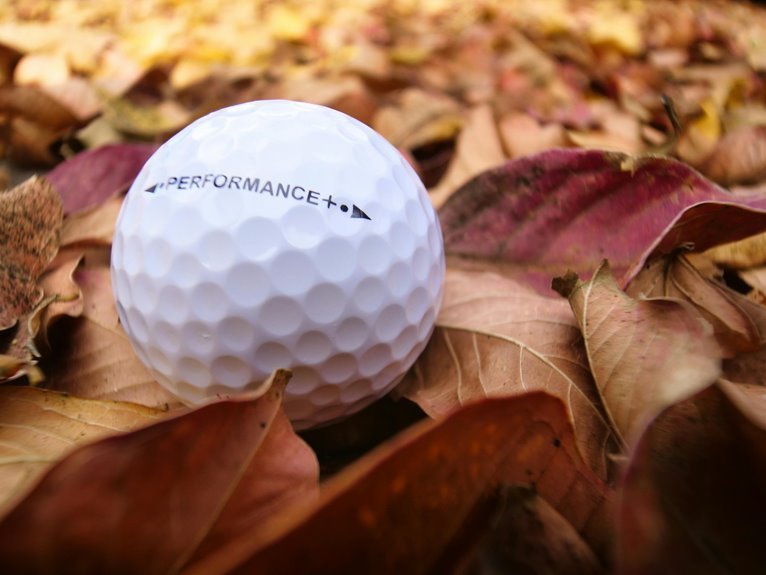
Compression is the golf ball’s firmness rating, and it comes from how much the core squeezes as the club hits it. You can consider it as part of ball construction that shapes how the ball feels in your hands and off the face.
Lower numbers mean a softer core, while higher numbers mean a firmer one. That matters because performance factors like swing speed, launch, and feel all connect here.
Whenever you pick a ball, you’re not guessing alone; you’re matching your game to the core inside. A softer ball gives you an easier squeeze, and a firmer ball asks for more speed from you.
Why Golf Ball Compression Affects Ball Flight
Your golf ball’s compression changes how it reacts the instant the club meets it, and that reaction shapes the whole flight. Whenever the core deforms, it influences launch, spin, and energy transfer, so your shot can climb, flatten, or hold its line. That’s why compression matters for ball flight behavior and distance optimization.
- Softer balls can launch easier and feel lively.
- Firmer balls can stay more stable through impact.
- The right match helps your shots fit your game.
You don’t need guesswork or a perfect label to belong in the right setup. Instead, focus on how the ball behaves off the face. Should it leave cleanly and travel the way you expect, you’re in the right neighborhood.
A better match gives you confidence, and confidence makes every round feel a little more like home.
How Swing Speed Affects Golf Ball Compression
Once you know how fast you swing, the whole compression question gets a lot easier to understand. Your speed tells you how hard the ball’s core gets pressed, and that changes launch, feel, and distance. Faster swings load firmer cores well, while slower swings often do better with softer core Ball design that opens up energy sooner.
| Swing speed | Compression effect |
|---|---|
| Under 85 mph | Softer balls feel lively |
| 85 to 100 mph | Mid compression can fit well |
| Over 100 mph | Firmer cores stay stable |
Compression myths can mislead you here. You don’t need a perfect match, and slower players aren’t stuck with one answer. Instead, look at how your swing meets the core. That’s where the real fit lives, and it helps you feel part of the game.
Find Your Swing Speed for the Right Compression
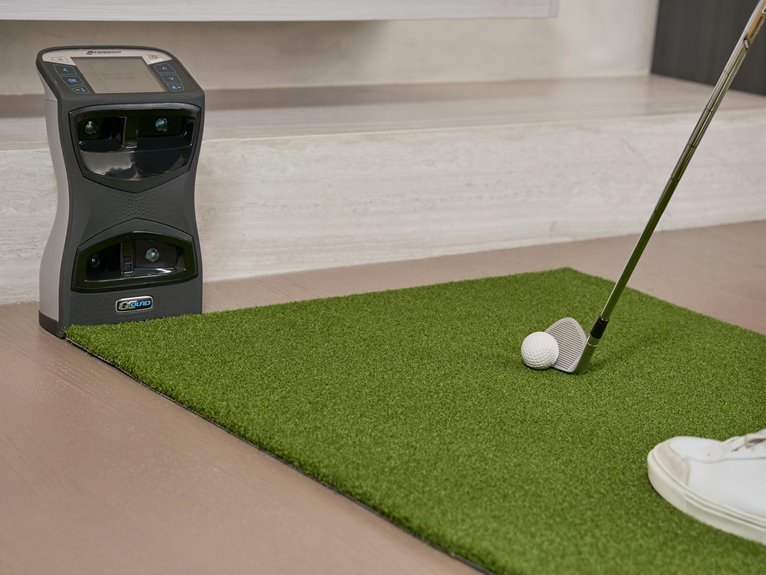
How fast do you really swing the driver? You can find out with a launch monitor, a lesson, or a simple club fitting session at your local shop. That number guides your compression fitting, because it helps you feel part of the right group, not stuck guessing alone.
- Under 85 mph, start with softer balls.
- 85 to 100 mph, test both mid and low options.
- Over 100 mph, try firmer tour-style balls.
Your swing speed matters most whenever you want solid contact and a clean feel.
Should you play with friends, don’t chase the same ball they use. Instead, trust your numbers, then test a few models. Small changes can make your round feel easier, and golf should feel like your game, not a puzzle.
How to Match Compression to Swing Speed
You can match compression to your swing speed through looking at how the ball launches, feels, and holds speed off the clubface.
Should you swing below 85 mph, a softer ball usually helps you get easier launch and better distance, while speeds above 100 mph often fit firmer cores that stay stable under harder contact.
Between those ranges, testing a few options side by side is the smartest way to see which ball provides you the best flight and control.
Swing Speed Ranges
So, what swing speed really fits which golf ball compression? You’ll feel the swing speed impact most whenever your driver speed moves outside the middle zone, because compression effects show up in launch and feel.
At under 85 mph, you belong with softer balls that launch easier. From 85 to 100 mph, you can test both soft and mid options and see what gives you cleaner contact. Above 100 mph, firmer balls usually hold up better to your faster move.
- Slow swings need easy launch
- Mid swings can compare both
- Fast swings need firmer cores
The good news is that you’re not chasing a perfect magic number. You’re just matching your tempo with a ball that helps you play with confidence and stay in the game together.
Compression Matching Guide
Whenever you match golf ball compression to swing speed, you’re really matching the ball to how much force you bring at impact, and that can make the game feel a lot smoother.
In ball fitting, start with your driver speed, then choose a range that feels solid, not forced. Should you swing under 85 mph, a softer ball can help you find easy launch.
Should you swing 85 to 100 mph, test both mid and low compression models. In case you’re over 100 mph, try firmer tour balls for better fit.
Don’t fall for compression myths that say one number suits everyone. Your game belongs in the right lane, and the right ball should feel like it gets you.
At the time you test, trust your feel, not the label alone.
Ball Flight Results
Whenever you match compression to your swing speed, the real test shows up in ball flight. You’ll see it in how the ball leaves the face, climbs, and settles. Once the fit feels right, your shots usually carry with steadier launch angles and cleaner ball flight patterns.
- Slower swings often lift low compression balls easier.
- Faster swings can hold firmer balls on a stronger line.
- The best match helps you trust each shot more.
Should you swing under 85 mph, softer balls can make contact feel easier and the flight look friendlier.
Should you swing harder, a firmer core can keep the ball from getting loose in the air. That matters because you want the ball to work with you, not fight your groove.
Low-Compression Golf Balls
You’ll notice low compression benefits fast because the ball feels easier to load, and that can help you find your ideal swing with less effort and more confidence.
Should you be chasing better contact, these balls can add a friendlier launch and a calmer feel at impact. They suit golfers who want the game to feel less demanding and more connected.
At lower speeds, you usually won’t lose much distance, and that’s reassuring.
Mid-Compression Golf Balls
Should you swing in that middle zone, mid-compression golf balls can feel like the sweet spot you’ve been looking for. You get a balanced feel that helps you belong on the tee without forcing your game into extremes.
These balls often bring mid compression benefits like steady launch, solid distance, and a touch of control around the greens.
- You can test them whenever your driver speed sits near 85 to 100 mph.
- You might notice cleaner contact with irons and wedges.
- You can pick models that fit your feel without chasing trends.
For mid compression recommendations, start with a few trusted models and compare how they roll, fly, and land.
Then trust the one that makes your swing feel simple and your round feel calmer.
High-Compression Golf Balls
Should the mid-compression range have felt like a good fit, high-compression golf balls ask for a little more from your swing and often give a little more back. Whenever you bring speed, these balls can reward you with steadier launches and cleaner energy transfer. That’s one of the main high compression benefits, especially in case you want control that feels earned, not given.
| Performance characteristics | What you might notice |
|---|---|
| Firm core | Built for faster swings |
| Less deformation | More stable at impact |
| Tour-style design | Fits stronger players |
| Better energy use | Helps fast swings shine |
Provided your driver speed sits above 100 mph, you’ll often fit in here. You’re not chasing a magic number; you’re finding the ball that keeps up with your game and the crew around you.
How Golf Ball Compression Changes Feel
Upon selecting a softer golf ball, you’ll usually feel a gentler, cushion-like impact that can make clean contact feel easier and more comfortable.
As compression goes up, the ball feels firmer at impact, especially as you swing faster and push harder into the core.
You’ll also notice the sound and vibration change, with soft balls often sounding quieter and firmer balls giving you a sharper, more solid snap.
Soft Feel on Impact
Even though golf ball compression sounds technical, it mostly shows up as feel in your hands and off the clubface. Whenever you choose a ball with a softer core, you often notice a softer impact, and that can match your feel preference right away. You don’t need a perfect swing to enjoy that smoother response. It can help you feel more connected to the shot and more confident with each swing.
- Softer balls usually mute the click at contact.
- Your hands might sense less shock on mishits.
- A soft cover can make chips and putts feel calmer.
That softer response matters because it can make you trust the ball more. And whenever you feel at home with your gear, you play more freely.
Firmness at Higher Speeds
As swing speed climbs, compression starts to feel less like softness and more like stability, and that shift can change how the ball talks to your hands. You’ll notice firmer cores hold their shape better, so your strike feels cleaner and more controlled. That’s one of the firmness benefits you can trust as swing optimization matters.
| Speed | Feel | Fit |
|---|---|---|
| 80 mph | Cushioned | Mid compression |
| 95 mph | Balanced | Mixed testing |
| 105+ mph | Firm | High compression |
Once you match that steadiness to your tempo, you belong with players who want repeatable results, not guesswork. A firm ball can stay composed through fast shifts, which helps you trust your motion. You’re not chasing hardness for show. You’re choosing a feel that supports solid contact and makes your swing optimization simpler.
Sound and Sensation
A golf ball’s compression doesn’t just change how it flies. It changes how you hear and feel every strike.
Whenever you choose a softer ball, the sound characteristics often turn into a muted click, and that can make the shot feel calm and easy. Firmer balls usually give a sharper crack, which many players trust because it feels powerful.
- Lower compression can soften impact through the club.
- Higher compression can give crisper sensory feedback.
- Your hands and ears work together to judge contact.
That response matters because you want gear that feels right in your hands and fits your game.
As the sound matches the strike, you often feel more confident. And confidence, honestly, makes you feel like you belong right on the tee box.
How to Test Golf Ball Compression On The Course
How can one determine whether a golf ball truly fits your game? Try golf ball testing during a normal round.
Put one ball in play for several holes, then switch to another with different compression. Watch tee shots, approach shots, and chips. Observe whether the ball launches too low, feels firm, or provides you extra carry.
Then compare how it reacts in the wind and on the green, because compression effects show up in more than one club. Should you swing faster, a firmer ball could hold its shape better. Should you swing easier, a softer ball might feel smoother and travel cleaner.
Keep records after each hole, and trust the ball that helps you relax and belong over every shot.
Common Golf Ball Compression Mistakes
Testing balls on the course can show you a lot, but it’s easy to read the results the wrong way. You could blame the ball when the real issue is a compression myth or a swing mismatch. Most golfers don’t need a tour ball, and slower swingers won’t be punished just because a core feels firmer.
- Don’t assume soft always means longer.
- Don’t pick based on brand loyalty alone.
- Don’t chase a pro model just because your buddy does.
Instead, match the ball to your speed and your feel. Should you swing around 85 to 100 mph, test both mid and low compression.
Should you swing faster, firmer cores can help. That simple check can clear up performance misconceptions and help you fit in with a ball that truly works for you.
Frequently Asked Questions
Does Compression Change Driver Distance More Than Iron Distance?
Yes, compression usually affects driver performance more than iron shots. At a swing speed of 108 mph, a softer ball can reduce driver distance. With irons, the effect is smaller because the ball’s mantle layers help preserve speed.
Can High-Compression Balls Help Average Golfers With Short Game Control?
Not usually. Short game control comes more from a ball that matches your feel and spin than from high compression alone. Skip the compression hype and test the ball that gives you the most confidence.
Is There a Compression Difference Between Two-Piece and Urethane Balls?
Yes, often there is. Two piece balls usually use firmer compression materials, while urethane covers can feel softer and may improve ball performance. Construction still varies, so do not judge a ball by the cover alone.
Do Weather Conditions Affect Which Compression Ball Performs Best?
Yes. Weather can change which compression ball works best. Cold temperatures can make balls feel firmer and reduce distance, while warmer air can help softer balls perform better. Humidity has a smaller effect, so temperature is usually the biggest factor.
How Often Should I Retest My Golf Ball Compression Fit?
Retest your compression fit at the start of each season, after any change in swing speed, and whenever your contact, distance, or feel starts to drift. This keeps your ball choice matched to your current game and helps you stay dialed in with your group.