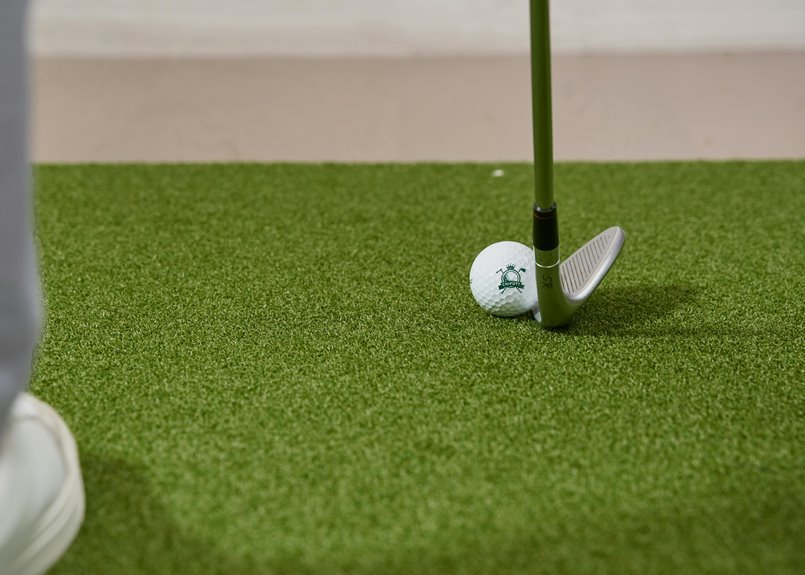

Straight golf shots start with a solid setup, a square clubface, and a cleaner swing path. Small flaws in any one of those spots can send the ball right or left fast. Simple drills can help build better control and more solid contact. Here are 10 golf accuracy drills that can tighten up your ball flight.
Why Golf Shots Miss Their Target
Golf shots usually miss the target because the clubface, swing path, and low point don’t match up at impact. At such times, your shot dispersion widens, and even a solid swing can wander. You’re not alone should this feel frustrating, because small swing flaws can stack up fast.
A face that opens or closes too much sends the ball off line, while a path that cuts across or leaks inside changes the curve. Then the low point moves, and contact gets thin or heavy. Together, these mistakes steal distance and control.
The positive aspect is that you can learn the pattern behind your misses. Once you spot how face, path, and contact work together, you’ll understand why your ball flight changes and what needs attention initially.
Set Up for Straighter Golf Shots
You can set up for straighter golf shots through lining your body up with the target, not just the ball.
Then check your ball position, because even a small shift can send the shot off line.
At the time you stack your feet, hips, and shoulders in a balanced stance, you give your swing a much cleaner chance to start straight.
Proper Alignment Basics
Before the club even moves, proper alignment sets the tone for a straighter shot because your body aims the swing before your hands ever do. You can trust the alignment essentials as you check your feet, hips, and shoulders against the target line.
That stance importance matters because a strong base helps you stay balanced and relaxed, like you belong over the ball. Next, pick a spot a few feet ahead and aim your whole setup there, not at random.
Then, let your knees stay soft and your chest face the same direction as your feet. As you repeat this routine, you give yourself a calm, reliable start and a better chance to send the ball where you planned.
Ball Position Check
Once your stance points the right way, ball position becomes the next quiet fix that can save a lot of crooked shots. Whenever you check ball position, you help your club meet the ball at cleaner impact placement, and that usually keeps your face and path calmer. Use this quick guide:
| Club | Start | Miss |
|---|---|---|
| Wedge | Center | Thin |
| Iron | Just forward | Push |
| Driver | Inside lead heel | Slice |
In case your shots leak right, the ball could sit too far back. Should they fly left, it might creep too far forward. You don’t need a perfect setup, just a repeatable one your hands and eyes trust. Small changes can make you feel like you finally belong on the fairway, not the apology line.
Balanced Stance Setup
A balanced stance gives your swing a calm base, and that calm base can do a lot of work for straighter shots. Set your feet just wider than your shoulders, then let your knees soften.
You want solid weight distribution, with pressure centered under each foot, not leaning on your toes or heels. Next, relax your hips and let your upper body stack over the ball. Keep your chest steady and your hands quiet.
Once you feel grounded, your swing can move without extra wobble. That makes it easier to return the club on line and stay with your shot, even as nerves creep in.
In case you belong in the group that loves clean contact, this setup helps you feel ready, calm, and connected.
Build a Square Alignment
A square alignment provides a calm, repeatable start, and it can save your swing from a lot of sneaky misses. You want your square stance to feel natural, not stiff, so set your feet, knees, hips, and shoulders parallel to the target line.
Then pick aim points a few feet ahead of the ball, because your eyes need a clear job. Whenever your body and clubface match the target, you give yourself a cleaner path and fewer last-second fixes.
Take a breath, check the clubface initially, and then build your stance around it. In case you belong in a steady group of golfers, this setup helps you feel like you’re on the same page with your shot and ready to swing with trust.
Use the Gate Drill
Set up the gate with two tees just wider than your clubhead, then aim your ball at the target line.
Swing through the gate cleanly without clipping either tee, so you build a smoother, straighter motion.
After each shot, check where the ball starts and finishes, because that tells you whether your path is staying on track.
Set Up the Gates
Two small tees can change your whole practice session whenever you use the gate drill the right way. Set them just wider than your clubhead, then place the golf gate a few inches in front of the ball. That setup gives you alignment precision and helps you start the ball on line.
Keep the tees even, so you can see your path clearly and trust your setup. Next, choose a target that feels real, not random, because that keeps your focus sharp and calm.
Should you clip a tee, don’t get frustrated. You’re learning where your club wants to travel. Make small changes, reset the gate, and try again.
Soon, you’ll feel more at home over the ball, and that confidence can really stick.
Swing Through Cleanly
Now let the club keep moving after the ball and trust the gate to show you the truth. Whenever you swing through cleanly, your swing mechanics stay organized and your impact position feels calm, not rushed.
Set the gate just past the ball, then send the clubhead between the tees without clipping either side. That small test helps you keep the face stable and the path smooth.
Next, let your arms finish past impact instead of stopping at the ball, because the follow-through tells you whether you stayed balanced.
In case you miss a tee, don’t worry; you’re learning with the group, not fighting it alone. Keep your chest turning, your hands soft, and your tempo steady.
Soon, clean contact will feel natural.
Track Shot Direction
Whenever you want to track shot direction with real confidence, the gate drill gives you a clear visual fast. Set two tees just wider than your clubhead and hit shots through the gap. This shot tracking method lets you see start line and face control right away, so your direction analysis gets honest, not hopeful.
- Place the gate a few feet in front of the ball.
- Swing through without clipping either tee.
- Notice whether the ball starts left, right, or on line.
As you repeat it, your eyes and hands start working like a team. That matters because you’ll feel less lost and more in control.
Should you miss the gate, adjust your setup or path, then try again. Stay patient. You’re building a group of skills that makes straighter shots feel normal.
Train a Straight Takeaway
A clean takeaway sets the tone for the whole swing, so this is where you can make golf feel a lot less random. You want the club to move back low and straight for the initial foot or two, with the clubhead staying outside your hands.
That simple straight takeaway helps your swing path stay on track, so you feel less rushed and more in control. Keep your chest quiet, let your shoulders turn, and avoid snatching the club inside. A mirror or alignment stick can help you check the start.
At the point you rehearse this move, you build trust with every rep, and you start to feel like you belong over the ball. Small wins here make the rest of the swing easier, which is exactly what you want.
Control Clubface Angle at Impact
You can sharpen your clubface control through checking where the face points as you swing through impact.
Simple face-position drills help you feel whether the toe is open, square, or closed, so you can make small fixes right away.
Whenever you pair those drills with impact alignment checks, you give yourself a clear path to cleaner contact and straighter shots.
Clubface Position Drills
Even a clean swing can leak shots whether the clubface drifts open or closed at impact, so this drill work helps you take charge of the face instead of hoping it behaves.
You build better clubface angles by pairing face alignment with a simple mirror check and a slow motion waggle. Then you learn your impact position by matching wrist hinge to a steady target focus and smooth swing tempo.
Try these:
- Set the face square, then make five easy half swings and freeze at finish.
- Hit short shots while you hold the same face feel, then observe strike consistency.
- Add small path adjustments only after the face stays calm.
As you practice, you’ll feel less guesswork and more control, and that’s a great place to belong.
Impact Alignment Checks
Now that your clubface feels more stable, it’s time to check what’s happening at impact, because the face can look good at address and still drift open or shut at the moment the club meets the ball.
You belong to the players who care about clean contact, so start with freezing your impact position in practice swings. Keep your hands slightly ahead of the ball, then notice where the face points.
Next, use alignment adjustments to match your feet, hips, and shoulders with your target. Should your shots leak right, the face is likely open; should they plunge left, it’s closing too fast.
Then rehearse the same motion with half swings. That small check gives you honest feedback, builds trust, and helps you send the ball where you meant to.
Groove a Repeatable Swing Path
A repeatable swing path starts with simple aim and steady motion, because your club has to travel the same way each time you want the ball to fly the same way.
Once you lock in your swing path, you build shot consistency and stop fighting random misses. You’re not chasing perfection; you’re joining a group of golfers who trust their motion.
Try this:
- Set your feet, hips, and shoulders on one line.
- Start the club back along that line, not around your body.
- Finish with the club moving through the same arc each time.
Keep your grip calm and your tempo smooth.
Then your body learns the route, and your swings feel less like guesswork and more like home.
Hit Half Swings to a Target
Half swings to a target help you build real control without asking your body to do too much at once. You stay relaxed, make clean contact, and feel like you’re part of a calm, steady group of players who trust the same basics. Use half swing techniques with a clear target focus, and let each strike feel guided, not forced. Aim at a flag, a bucket, or even a patch of grass.
| Feel | Result |
|---|---|
| Smooth tempo | Better rhythm |
| Short finish | Less strain |
| Quiet hands | Cleaner contact |
| Balanced chest | Steadier flight |
| Soft eyes | Sharper focus |
When you swing, envision the ball starting on a friendly line. Then let your body finish in balance, so your next swing feels easier and more confident.
Practice Start-Line Control
Building on those half swings, you can sharpen your accuracy through learning where the ball starts. Whenever you practice start-line control, you give yourself a clear target and a calmer mind.
Pick a narrow gate, then send the ball through it with steady swing tempo. Watch the initial few yards, because that tells you more than the finish. Should the start line drift, adjust your setup before you chase the shot path.
- Aim the clubface initially.
- Match your feet and shoulders to the line.
- Repeat the same tempo on every swing.
You’re not alone in this. Every golfer fights a wandering start line, and small wins build trust.
Keep your focus simple, and your group will feel that quiet confidence grow.
Combine These Golf Accuracy Drills
Whenever you combine these golf accuracy drills, you turn separate skills into one reliable swing plan. You build shot shape with face control and swing path, then you test it in the impact zone.
Set alignment sticks initially, so your eyes and feet share the same target. Next, check tee height and wrist hinge, because both change your low point and help you strike the ball cleanly.
Then blend short swings with full follow through, so your body learns distance control without rushing. You can move from a fade drill to a draw drill, then finish with center-face strikes.
Each piece fits the next, and that keeps you calm. Whenever you practice this way, you don’t just hit balls. You join a group of golfers who trust their swing.
Frequently Asked Questions
How Often Should I Practice Golf Accuracy Drills Each Week?
Practice golf accuracy drills 3 to 4 times a week to build consistency without overdoing it. Short, focused sessions with clear progress tracking help you improve faster and feel more comfortable on the course.
Which Drill Helps Most With Iron Shots From Uneven Lies?
For uneven lies, the accurate iron swing plane drill helps most. It improves balance, steadies shot alignment, and builds iron consistency by swinging in a controlled semicircle instead of striking down hard.
How Do I Measure Improvement in My Shot Accuracy?
You can track improvement by recording shot data and reviewing swing patterns, then comparing fairways hit, greens reached, and miss tendencies over time. When those stats improve, your shots are getting more consistent and accurate.
Can These Drills Help With Bunker Shots Too?
Yes, these drills can improve bunker play too. They sharpen sand wedge basics such as face control, low point awareness, and clean contact. You’ll develop better touch and repeatable motion, which can make greenside bunker shots feel more reliable.
What Clubs Are Best for Practicing Straight-Shot Drills?
Use a 7 iron or 8 iron for straight shot drills because they are forgiving and make your swing path easier to see. Choose a club that helps you practice with clear feedback and builds steady confidence.