
A golf glove should fit snug, not tight, so your grip stays steady and your hand stays comfortable. The right size helps prevent rubbing and slipping during your swing. Material and weather both affect how the glove feels on the course. A poor fit can make a round feel awkward fast, so getting the right glove matters.
How Should a Golf Glove Fit?
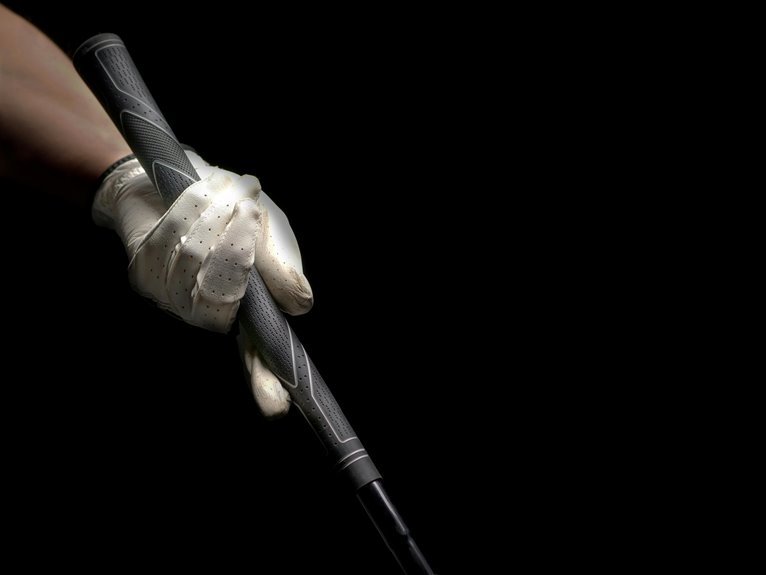
A golf glove should fit snugly, but it shouldn’t feel like it’s squeezing your hand. You want your fingers to reach the tips without extra room, so you can keep a natural bend in your knuckles.
The palm should lie smooth, and the back should move with you instead of pulling tight. Whenever the glove fits right, you stay focused, and grip maintenance feels easy because you’re not fighting the material.
In case the glove slips, bunches, or leaves gaps, make small fit adjustments until it feels secure and calm. You should also check the cuff, since it shouldn’t dig in or slide around.
A good fit helps you swing with confidence, and that’s the kind of comfort every golfer deserves.
How to Measure Your Golf Glove Size
To find your golf glove size, start with measuring your dominant hand with care, because even a small mismatch can change how the glove feels on the course. Use a soft tape around your palm, just below the knuckles, and record the number in inches. Then compare it with a sizing chart.
| Measurement | Size |
|---|---|
| 7″ to 7.5″ | Small |
| 7.5″ to 8″ | Medium |
| 8″ to 8.5″ | Large |
These golf glove measurement techniques help you pick a glove that feels like part of your game. For sizing chart interpretation, always check the brand guidelines, since cuts can vary a bit. Should you be between sizes, choose the one that matches your hand shape best, so you feel right at home with every grip.
How Can You Tell If a Golf Glove Fits Too Tight or Loose?
How can one tell at what point a golf glove fits too tight or too loose? You can spot glove fit indicators fast by checking your fingers, palm, and wrist.
Should the fingertips press hard, your knuckles feel squeezed, or your hand aches after a few swings, the glove is too tight.
In case extra fabric bunches at the fingertips, your palm shifts inside the glove, or the closure feels sloppy, it’s too loose.
A quick comfort assessment helps you stay honest with yourself. You want a snug feel that still lets your hand flex and relax. That balance keeps your grip steady and your swing calm.
Whenever the fit feels right, you belong in the round, not fighting your gear.
Best Golf Glove Materials for Grip
Whenever you want better grip, leather often gives you that soft, tacky feel that helps the club stay steady in your hands.
Synthetic gloves can also work well because they hold up better in wet weather and keep their shape longer.
The best choice comes down to how you play, because comfort and control should work together every time you swing.
Leather Grip Benefits
Should you desire a glove that feels great and assists you in swinging with confidence, leather is still the gold standard for grip.
You sense its leather flexibility the moment you close your hand, and that soft touch helps you relax instead of fight the club. Better yet, leather durability provides you steady performance round after round, so you don’t feel like you’re replacing gear every other week.
Whenever the glove fits snugly, it moves with your fingers and keeps pressure even across the palm. That close contact helps you stay in control, especially as nerves rise on the tee.
Synthetic Material Performance
Synthetic gloves earn their place fast because they solve a problem that leather can’t always handle as well. You get synthetic advantages like steady grip in heat, rain, and humidity, plus a lighter feel that helps your hand stay relaxed.
That matters at the moment you want to belong in the group that plays with confidence, not tension. In a durability comparison, synthetic gloves often last longer through frequent rounds and rough practice sessions. They resist stretching, drying, and cracking better than many leather options.
You also get quicker drying after sweat or rain, so the glove feels ready sooner. Should you play often, synthetic materials can keep your grip consistent without asking much from you, and that simple reliability can make every swing feel a little more yours.
How Weather Affects Golf Glove Fit
Weather can change how a golf glove fits, feels, and performs more than you might expect. In heat, your hand could swell a bit, so the glove can feel tighter and less forgiving.
In cool air, your skin often shrinks back, and the glove might seem a touch loose. That weather impact matters because even small fit changes can shake your confidence at address.
Moisture adds another layer, since rain and humidity can soften material and alter grip feel. Once you understand glove adaptation, you can notice these shifts fast and keep your hands steady with less surprise.
How to Keep Your Golf Glove Comfortable
You can keep your golf glove comfortable through starting with the right size, since a snug but flexible fit helps your hand move freely and keeps your grip steady.
After each round, let it dry fully so sweat doesn’t stiffen the material or cause that sticky, just-rolled-out-of-bed feeling.
Gentle cleaning also matters, because a soft wipe can remove dirt without wearing down the glove’s fit or feel.
Proper Glove Sizing
When a golf glove fits the right way, it feels snug without pinching, so your hand can move naturally through the swing. You can trust that fit, and that trust helps you belong on the course with ease.
Use glove sizing techniques through measuring your hand, then compare it with the brand chart. That step cuts down glove fitting challenges before you purchase.
- Check finger length so the tips don’t bunch.
- Make sure the palm lies flat, not loose.
- Try a full grip and feel steady, not squeezed.
When you size it well, you keep pressure even and your grip calm.
Then every shot feels more natural, and you can focus on playing with your group instead of fussing with your hand.
Drying After Use
A damp golf glove can go from helpful to annoying fast, so drying it right after use keeps it soft, comfortable, and ready for the next round.
Turn it inside out a little, then let air move through it on a flat surface. This simple step supports moisture management and protects the fit you like.
You can also hang it in a cool, shaded spot, but skip direct heat, which can stiffen the material.
Should you play often, keep two gloves in rotation so one can rest while the other works.
These drying techniques help you step back onto the course with confidence, because your hand stays comfortable and your grip feels like part of the team, not a slippery surprise.
Gentle Cleaning Care
Once your glove has dried, gentle cleaning can keep it soft, fresh, and ready for more swings. You don’t need rough scrubbing or harsh soap. Instead, follow calm glove washing steps that protect the leather and the fit your hand trusts. A damp cloth, mild soap, and light pressure usually do the job.
These maintenance tips help you stay comfortable with every round and keep your grip steady as the weather shifts.
- Wipe sweat from the palm and fingers after each use.
- Clean small spots right away so dirt doesn’t settle in.
- Let the glove air dry flat, away from heat.
Whenever you treat your glove with care, it feels like part of your crew, not just gear.
Frequently Asked Questions
Do Golf Gloves Affect Swing Tempo and Hand Relaxation?
Yes, your gloves can influence swing tempo and hand relaxation. A snug fit helps steady grip pressure, which can make it easier to stay loose and maintain control through the swing. That can support consistency and give you a better feel for each shot.
How Often Should Golfers Replace Worn-Out Gloves?
Replace your gloves when the grip starts slipping, the seams begin to fray, or the fit no longer feels right. For many golfers, that happens after about 10 to 20 rounds, depending on the glove’s materials and how often it is used.
Can Glove Design Help Prevent Blisters During Play?
Yes, glove design can help prevent blisters during play by using a snug fit, breathable materials, and enhanced grip features. These details reduce friction, keep your hands comfortable, and help you stay confident with every swing.
Are Expensive Golf Gloves Worth the Extra Cost?
Yes, if you play frequently, premium gloves often provide tougher materials, longer wear, and a more reliable grip, making the higher price easier to justify. They can also improve fit and feel, which may boost comfort and confidence on the course.
Do Glove Colors or Styles Impact Performance?
Glove color and style will not alter your swing mechanics, but they can shape how comfortable and confident you feel. Choosing a glove that fits well, grips securely, and matches your taste can help you feel ready to perform.